
Category: Weekly reflection
-
The tools are here. The models are not.
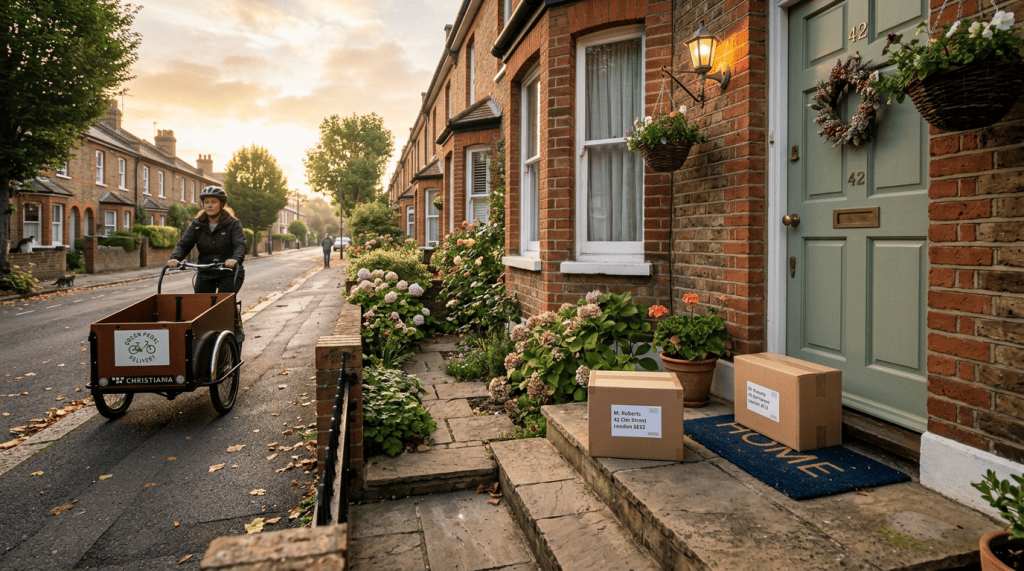
If you step onto your street in the morning, it is easy to feel like the city is a finished object. A parcel on the step, a van at the kerb, a stocked shop: they can look as if they were decided somewhere else, long before you arrived. This week’s episodes of What is The…
-
Which heat are we actually trying to cool?
A city can lower the temperature a satellite sees and raise the temperature a person feels. That is the tension through this week’s research debate and the conversation with V. Kelly Turner on the What is The Future for Cities? podcast. Episode 471 works through her 2022 paper with colleagues, More than surface temperature: mitigating…
-
The maths that makes cities, and the maths that might break them
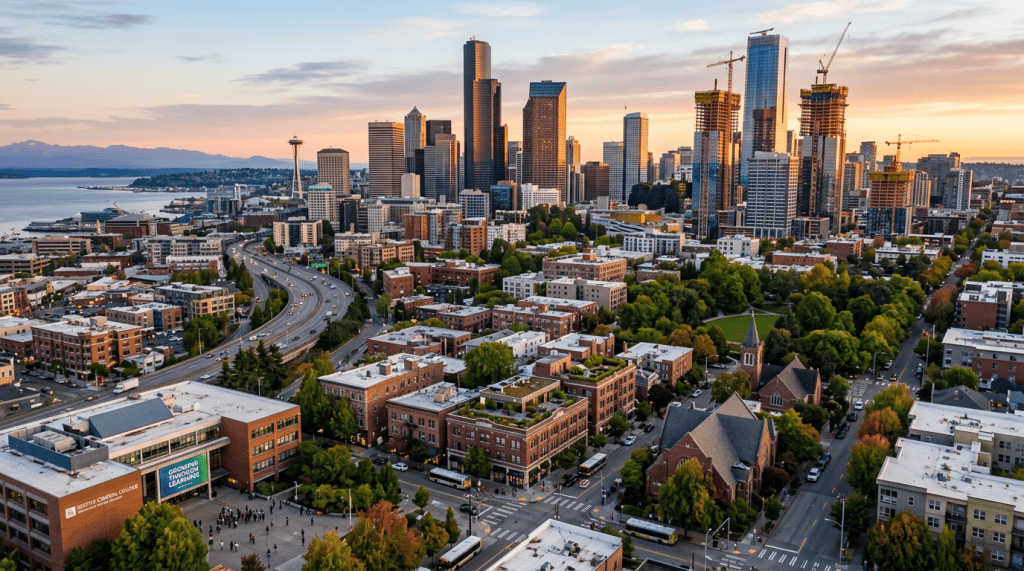
If a city doubles in size, it does not simply double its output. It produces more than double. That is the startling picture in Bettencourt, Lobo, Helbing, and West’s 2007 paper on growth, innovation, scaling, and the pace of life in cities. Biology gets more efficient as it gets bigger. Cities do the opposite. They…
-
The Gulf is already the testing ground
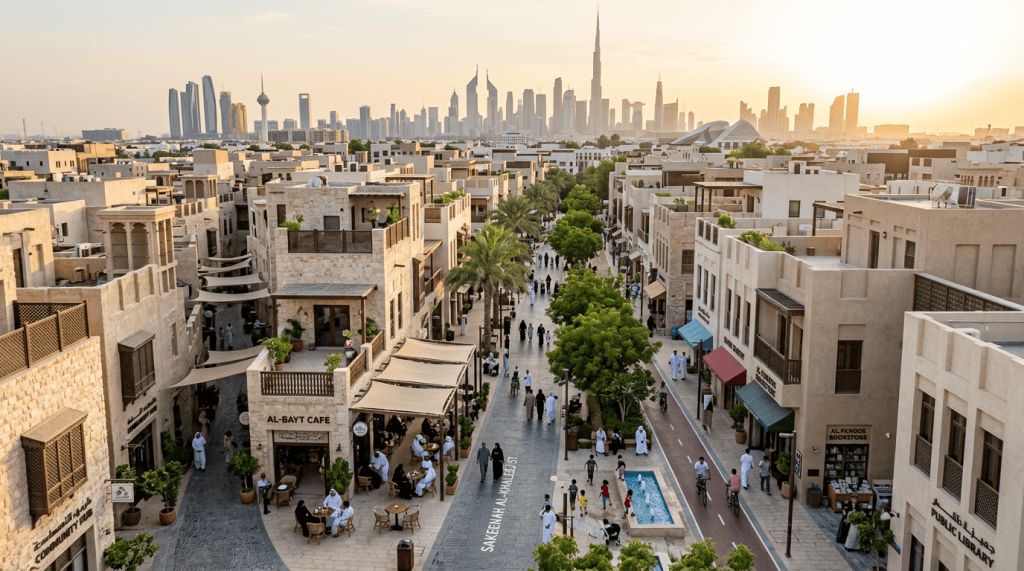
This week’s episodes of What is The Future for Cities? podcast ran through a double habit. Tuesday’s research debate (467R) worked through a 2026 systematic review by Shiva Manshour and Steffen Lehmann of 30 studies on passive cooling in hot, arid cities. Thursday’s conversation (468I) with Shawn Meyers, Middle East Masterplanning Director at DLR Group,…
-
Last-mile freight is still waiting for a real plan
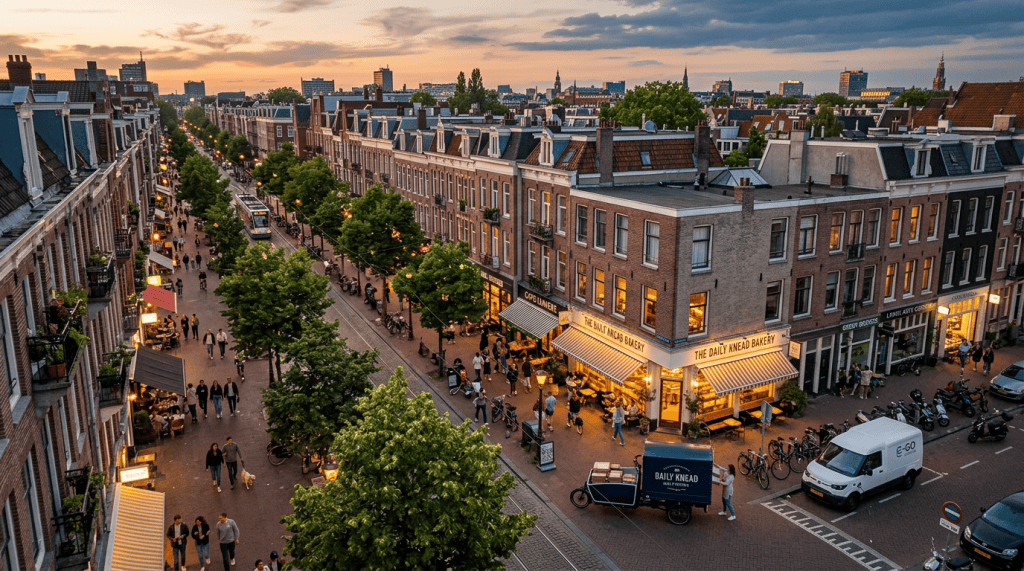
This week’s episodes of What is The Future for Cities? podcast ran through a simple mismatch. Passenger travel in many US cities is getting cleaner. Freight is not. Tuesday’s research debate (465R) worked through a 2024 paper by Thomas Maxner, Giacomo Dalla Chiara, and Anne Goodchild: a content analysis of municipal plans in 58 major…
-
What we plant today still matters in 100 years
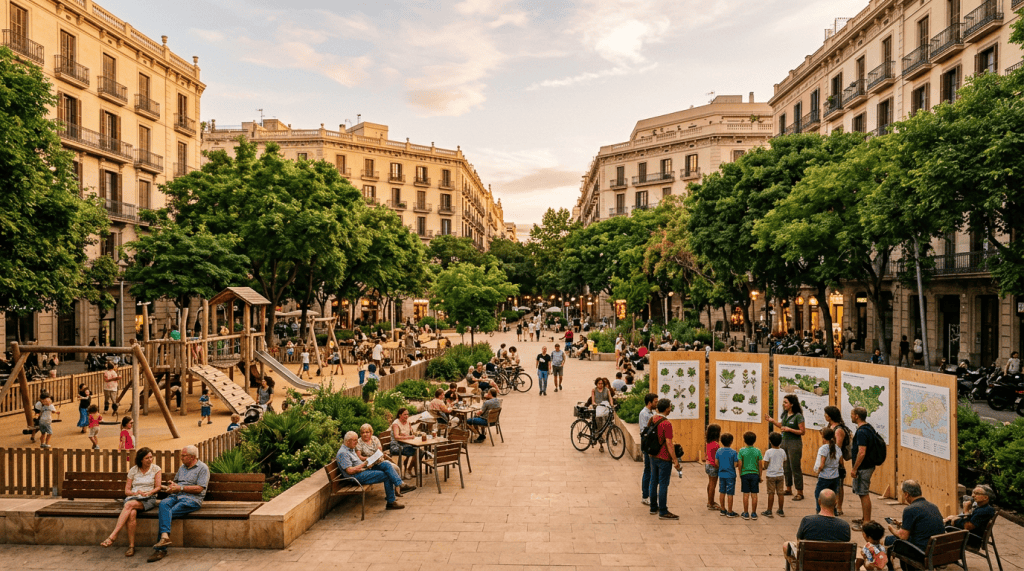
A clogged artery gets a stent. Blood moves again in that one place. The rest of the body can stay sick. That is the picture this week’s research episode (463R) of What is The Future for Cities? uses for Barcelona’s superblocks. A 2025 BMC Public Health paper by Perez and colleagues looks at three early…
-
From sustaining the fragile to building the antifragile

If you step onto your street in the morning, it is easy to feel like the city is a finished object. Traffic, zoning, the next crane on the skyline: they can look as if they were decided somewhere else, long before you arrived. This week’s episodes of What is The Future for Cities? take that…
-
Right-size the energy, then count what it actually does
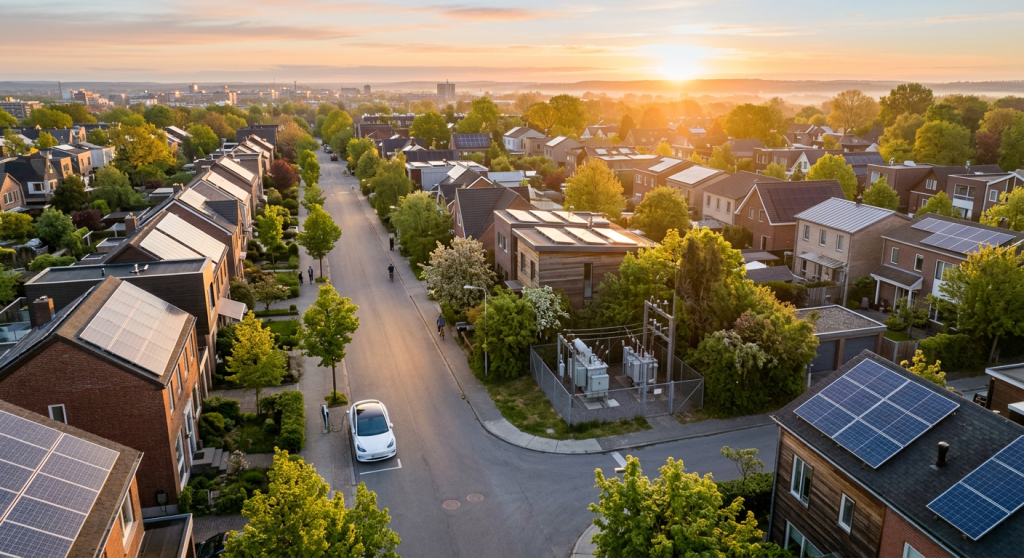
If a home battery keeps the hospital online during a winter storm, and the accounting system cannot put a dollar on that, what number have we actually written down? This week on What is The Future for Cities? podcast that question ran through two episodes. Tuesday’s research debate (459R) unpacked the 2020 National Standard Practice…
-
Beautiful models, unused decisions

This week’s episodes of What is The Future for Cities? podcast turn on a gap that is now hard to ignore. We can build extraordinarily sophisticated digital replicas of cities. We are much less good at getting those replicas into the rooms where planning actually happens. Tuesday’s research debate (457R) unpacked a 2025 systematic literature…
-
The future is more alive, not just more efficient

This week’s episodes of What is The Future for Cities? podcast turn on a quiet, uncomfortable idea: adding more nature, or more green credentials, is not the same as building a living system that actually works. The research debate unpacked a 2017 literature review on biodiversity–ecosystem service relationships in urban areas. The interview with Caroline…

