This week on What is the Future for Cities? podcast we released two episodes that tackled one of the most important tensions in urban planning today: how do we harness powerful digital tools like digital twins and AI without losing sight of what makes cities truly alive? From a research debate on the maturity of digital twins in episode 449R to a rich panel discussion with Micah Gaudet, Ana Maria Bustamante Duarte, and Balamurugan Soundararaj on urban governance in episode 450P, the conversations challenged us to think more critically and hopefully about the role of technology in shaping our cities. Here are five key lessons that stood out.
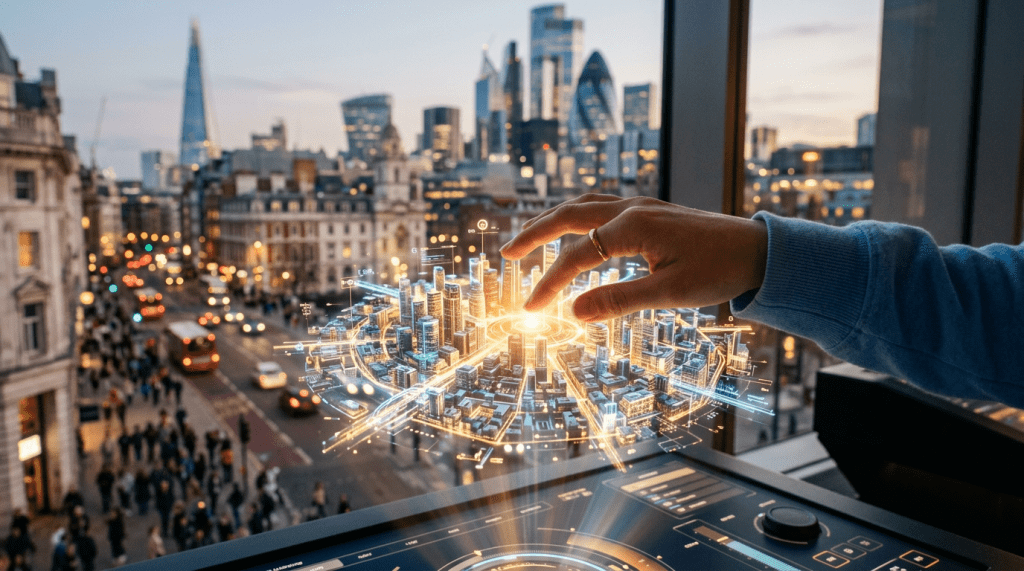
Cities are living systems, not machines
The research debate opened with a powerful reminder: cities are not rocket engines. While the Apollo 13 simulator worked because it operated in a closed, highly predictable environment, cities are open, complex social systems driven by human relationships, spontaneity, and intangible experiences.
Treating them as simple optimisation problems risks reducing people to data points. As the speakers explored, the essence of urban life – the friction on a crowded sidewalk, the unexpected encounter, the cultural vibrancy – cannot be fully quantified. This does not mean we should reject technology, but we must approach it with humility.
Digital twins and models should be lenses, not oracles
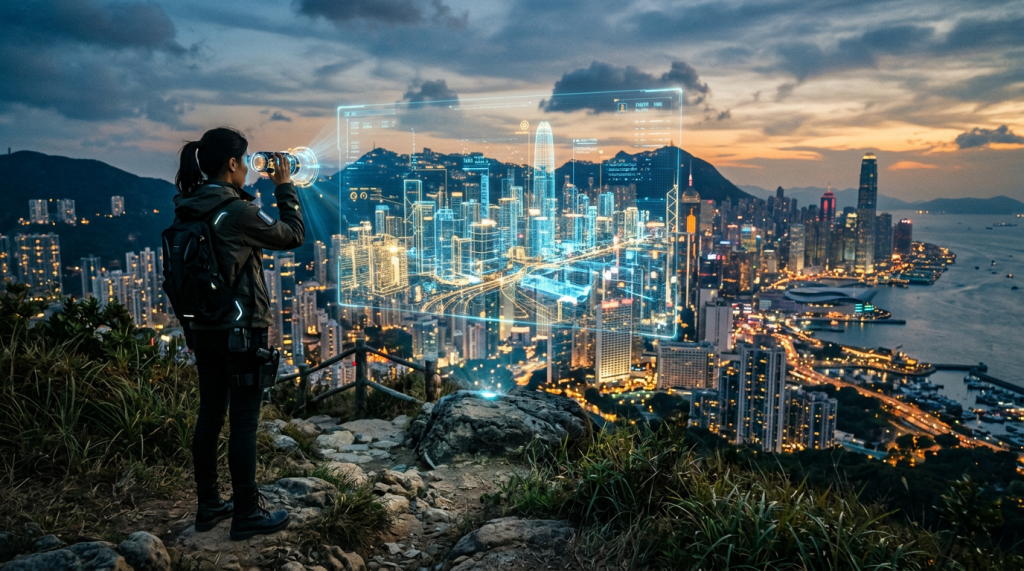
One of the strongest themes this week was the need to shift our thinking about digital tools. Rather than viewing digital twins as perfect replicas that can autonomously govern cities, we should treat them as exploratory lenses.
Mature digital twins, according to the research, must be adaptive, humble, honest, and transparent. They excel at testing scenarios – such as how a new sea wall might affect flooding – but they should never replace human judgment, political debate, or local context. The panel reinforced this by warning against the illusion of complete certainty that big data can create.
Balance data with human wisdom and participation
Both episodes highlighted the McNamara fallacy – the danger of only measuring what is easy to measure and forgetting the intangibles. Traffic flow and energy use are straightforward to quantify, but community culture, walkability, and sense of belonging are not.
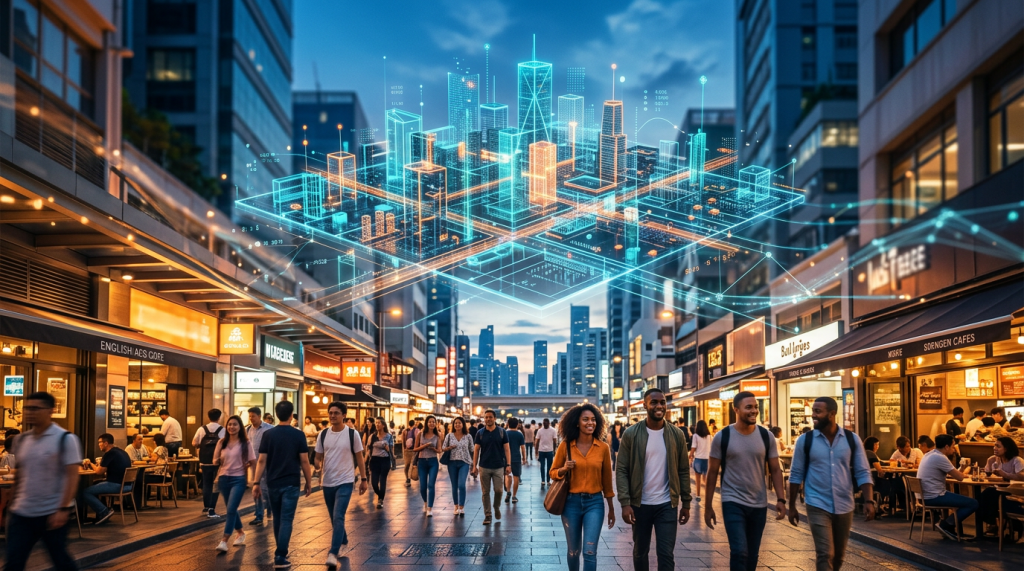
The panelists stressed the importance of pluralistic approaches. Ana Maria Bustamante Duarte reminded us that data should inform, not dictate, and that we need more bottom-up, community-driven processes. True progress comes when technology supports participatory governance rather than centralised automation.
Build for the long term – think about our grandkids
A particularly moving insight came from Micah Gaudet, who urged us to design cities not just for current residents or the next political cycle, but for the generations growing up in an AI-shaped world.
This long-term perspective challenges us to move beyond short-term efficiency gains. It asks deeper questions about equity, resilience, and what kind of urban experience we want to pass on. As Balamurugan Soundararaj noted, transformative technologies like AI are already reshaping flows of information, capital, and knowledge work, creating opportunities to redesign cities at a more human scale.
Faster iteration and localised feedback loops create real opportunity
The panel brought an optimistic thread: we are moving from the age of ideas to the age of rapid execution. Balamurugan Soundararaj highlighted how AI can shorten feedback loops between communities, planners, and decision-makers.
Planning approvals, public space design, and policy development can now iterate much faster with community input. This creates genuine opportunities for co-designing solutions at the friction points of urban systems. However, as all speakers emphasised, speed must be paired with accountability, transparency, and a commitment to equitable outcomes.
The two episodes this week reinforced a consistent message: technology is an incredibly powerful servant but a dangerous master. Digital twins, AI, and data analytics can help us understand complex urban systems and test bold ideas safely. Yet they must always remain in service to human agency, lived experience, and democratic debate.
As we continue exploring the future of cities, the most mature approach appears to be one of humility – using sophisticated tools while recognising their limits, inviting diverse voices, and keeping the ultimate goal clear: creating cities that are not only efficient but also vibrant and deeply human.
Next week we are investigating urban freight with Ron van Duin!
Share your thoughts – I’m at wtf4cities@gmail.com or @WTF4Cities on Twitter/X. Subscribe to the What is The Future for Cities? podcast for more insights, and let’s keep exploring what’s next for our cities.


Leave a Reply