This week on What is the Future for Cities? podcast we confronted one of the most pressing resources for urban survival: water. Tuesday’s Research episode (441R) used a lively debate format to unpack a 2024 comprehensive review on water reuse. Thursday brought an inspiring and practical conversation with Darren Flynn (episode 442I) – chartered civil and structural engineer, entrepreneur, and Founder & Director of Vinculum Advisory – who shared his deep expertise on underground systems, green and blue infrastructure, and long-term city planning. Together, the episodes delivered clear, actionable insights. Here are five key lessons that stood out.
Lesson 1: The water crisis is urgent, and shifting to a circular economy is no longer optional – but technical solutions alone are not enough
Humanity is consuming roughly 10 billion tons of water per day. At current rates, usable reserves could face serious depletion within 16 years. The linear “take-make-dispose” model is unsustainable. Advanced treatment technologies like reverse osmosis, membrane bioreactors, and ultrafiltration can turn wastewater into safe, high-quality water for agriculture, industry, and even indirect potable use.
Yet the debate made one thing crystal clear: the biggest hurdle is often not the engineering – it’s the deep-seated “yuck factor” and lack of trust. Psychological disgust sensitivity, fear of pathogens, and doubts about institutional enforcement create real resistance, especially for agricultural reuse where consumer backlash can stop projects before they start. Spain shows what’s possible with strong policy and investment (reaching over 25% reuse in some regions), but broader adoption requires more than infrastructure.
Education, transparent communication, and demonstrated safety can shift attitudes, but we must respect the human element rather than simply trying to engineer around it.
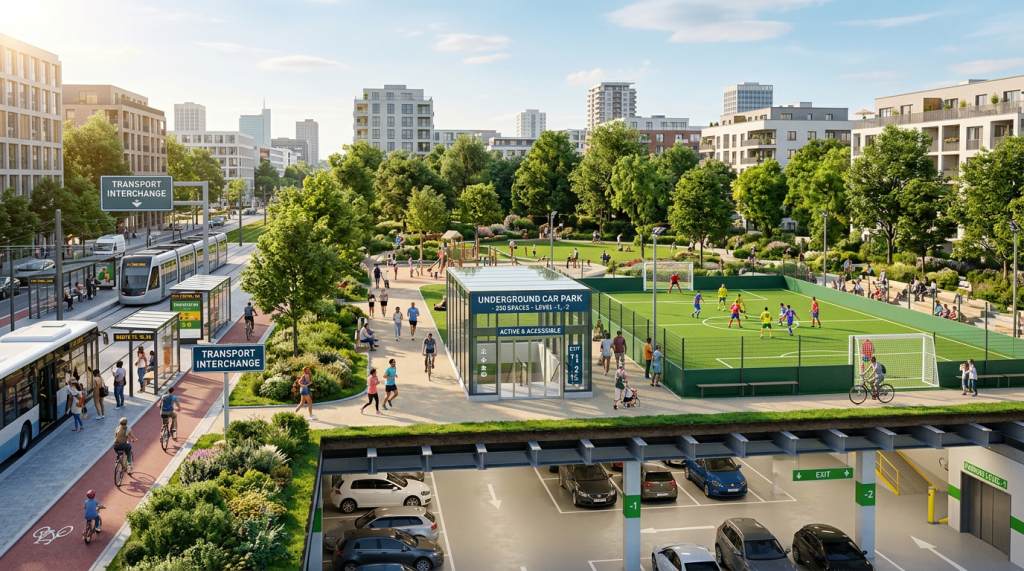
Lesson 2: Underground infrastructure is the hidden foundation that determines how much liveable space cities can create above ground
Darren Flynn made a compelling case: if we put more utilities, tunnels, basements, and storage underground in smart, planned ways, we free up valuable surface land for people, parks, housing, and recreation. Examples include multi-use solutions such as putting sports fields over station car parks or coordinating utilities so future rail lines or buildings don’t require expensive relocations.
Poor coordination today leads to repeated digging, massive costs, and disrupted communities. Good planning – mapping assets, leaving allocations for future capacity, and thinking 50–100 years ahead – turns the underground from a constraint into a strategic asset.
This lesson shifts how we view density: going down intelligently allows us to build better cities above.
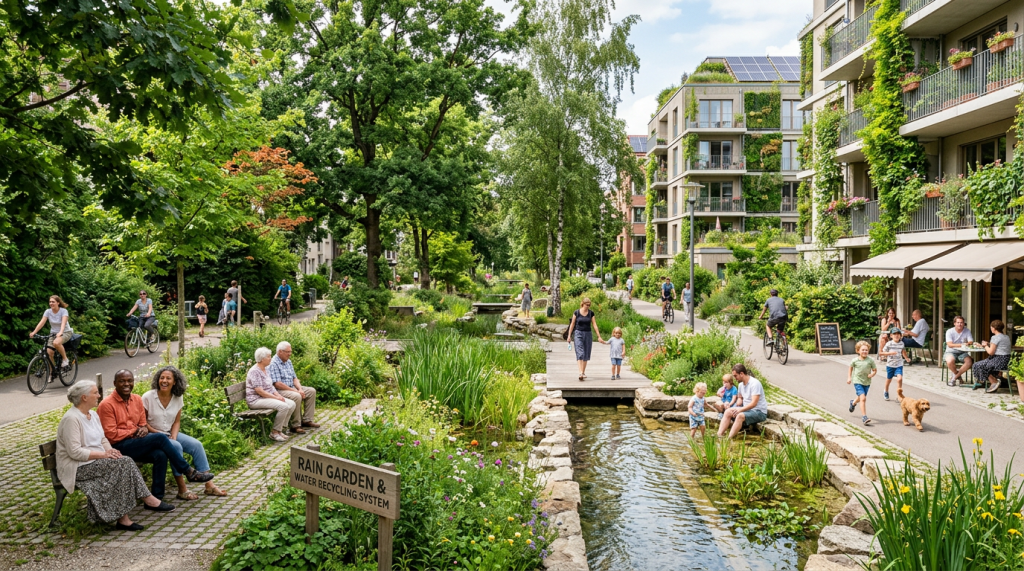
Lesson 3: Green and blue infrastructure (canopy cover, stormwater harvesting, water recycling) are essential tools for climate resilience and liveability
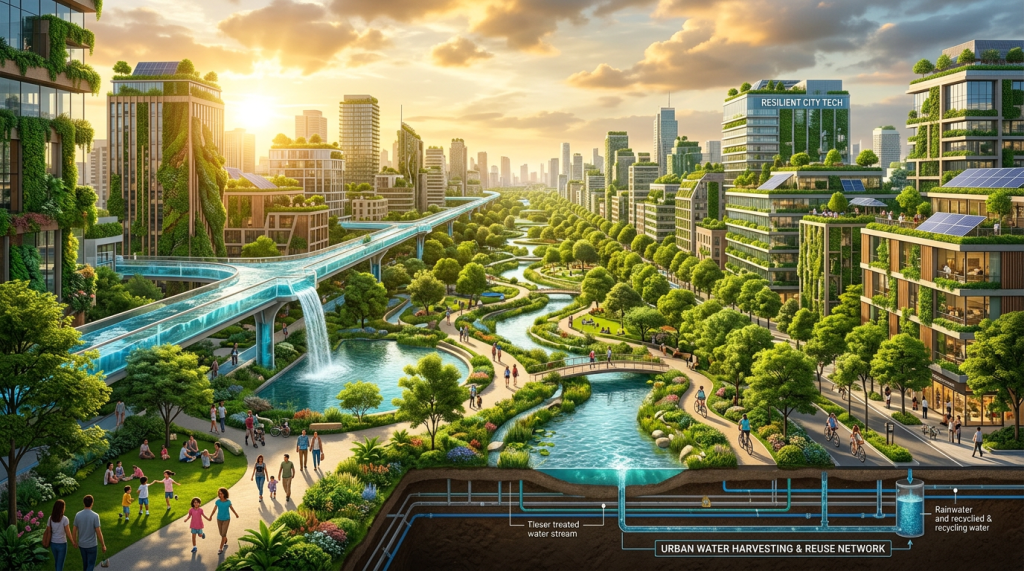
With rising temperatures and changing rainfall patterns, cities need nature-based solutions. More tree canopy provides cooling, cleaner air, and mental health benefits. Stormwater harvesting and decentralised water recycling (including purple pipes for non-potable uses) reduce pressure on drinking water supplies and prevent flooding.
Darren highlighted practical opportunities: package treatment plants for communities, co-located systems, and integrating green-blue elements into new developments. These approaches not only help cities survive climate shocks but actively improve quality of life.
Lesson 4: Early strategic involvement of engineers and long-term thinking prevent expensive future mistakes
Too often, zoning and development decisions happen without adequate input on power, water, and underground constraints. The result is undersized pipes, repeated retrofits, and stranded assets. Darren stressed the value of concept planning engineers participating early – sizing infrastructure for future growth, leaving corridors, and designing with modularity and antifragility in mind.
Antifragile systems don’t just withstand shocks; they improve because of them. Leaving extra capacity or flexible allocations today is far cheaper than digging up streets in 20 years.
Lesson 5: Engineering is a powerful gateway career, and engaged citizens are essential to shaping successful urban outcomes
Darren challenged stereotypes: engineering is not just “nerdy pipes and maths.” It develops problem-solving, commercial awareness, and strategic thinking that open doors into development, policy, finance, and leadership. Many engineers move far beyond technical roles to influence broader city-making.
At the same time, technical solutions only succeed when paired with community trust and input. Citizens writing letters, attending meetings, or voicing needs can drive real change. Darren’s optimism is infectious: we have the knowledge and tools – now we need coordinated action and courage from both professionals and the public.
The future of liveable, resilient cities depends on how boldly we close resource loops, integrate underground thinking, and combine technical excellence with genuine community trust. Water reuse is no longer a niche idea – it is a survival strategy. Underground and green-blue infrastructure are not “nice-to-haves” but the foundations that will determine whether our cities thrive or merely cope in a hotter, more uncertain world.
The episodes (441R and 442I) remind us that engineering, planning, and citizen voices must work together. We already have much of the knowledge and technology we need. What remains is the will to act decisively and inclusively.
Would you support wider water reuse in your city?
How can your community better plan for underground and green-blue systems?
Next week we are discussing resilience and robustness for the future of cities with Markus Appenzeller!
Share your thoughts – I’m at wtf4cities@gmail.com or @WTF4Cities on Twitter/X. Subscribe to the What is The Future for Cities? podcast for more insights, and let’s keep exploring what’s next for our cities.


Leave a Reply