
This week, we’ve explored a roadmap and a revolution for urban futures. Episode 311, “Nature Positive: Guidelines for the Transition in Cities,” and Episode 312 with Gilbert Rochecouste, founder of Village Well, paired data-driven urgency with human-centered imagination. Together, they’ve reshaped how I see cities – not as concrete traps, but as living systems we can nurture. Here’s what I’ve learned, and why it’s a call to act.
The urgency of nature-positive cities
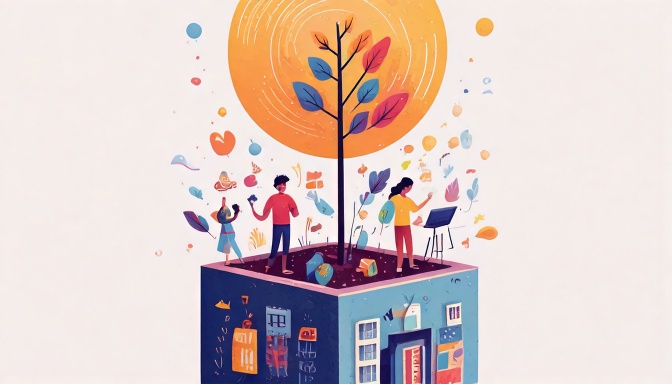
Episode 311, rooted in the 2024 World Economic Forum and Oliver Wyman report, hit hard with a wake-up call: 44% of global GDP – $31 trillion – relies on cities, yet biodiversity loss threatens it all. The educational core? Cities aren’t just nature’s victims; they’re culprits – air pollution seven times WHO limits, 80% of habitats lost in some urban zones. But the report isn’t doom-laden; it’s a playbook. Commit, strategize, implement – three steps to transition cities into nature-positive engines. Milan’s Forestami mini-forests clean air and manage runoff; Singapore’s tech tracks ecosystem health in real time; Medellín’s green corridors cool urban ovens. These aren’t feel-good extras – they’re economic and ecological lifelines. It’s a lesson in stakes and solutions: cities can’t just sustain – they must restore.
Reimagining cities as regenerative places with Gilbert Rochecouste
Episode 312 with Gilbert Rochecouste, founder of Village Well – a placemaking practice – flipped the lens from guidelines to gospel. His vision – regenerative and resilient cities – starts with a shift: sustainability isn’t enough; we need to gift back more than we take. The educational gem? Placemaking isn’t wishy-washy – it’s power with communities, not over them. Gilbert’s wisdom lies in participation: when citizens co-create – from community gardens to energy co-ops – resilience blooms. He defines it as adaptability, a web of social capital where floods spark teamwork, not panic. His ‘small is beautiful’ ethos – scaling tactical acts like street music or co-housing – echoes indigenous care for place, 65,000 years deep. We can imagine cities as villages again – walkable, joyful, alive with human and non-human stories.
The intersection: action meets imagination
These episodes don’t just align – they amplify. Episode 311’s ‘how’ – nature-positive tactics like green corridors – meets Episode 312’s ‘why’ – regeneration through people power. The report’s data (e.g., $31T at risk) grounds Gilbert’s hope: imagination scales when it’s practical. Nature-positive steps like Singapore’s sensors could fuel his resilient co-ops; Medellín’s corridors could host his street festivals. Both reject extraction – urban sprawl eating habitats, top-down designs ignoring voices – for a shared truth: cities thrive when they’re ecosystems, not empires. It’s a synergy of urgency and agency that feels electric.
From observer to participant
A barren lot could sprout a mini-forest; a noisy street could hum with music. Episode 311’s stats made us tally our own urban footprint – how much do we lean on nature we don’t see? Gilbert’s words pushed us further: why not plant that verge ourselves? His birth canal metaphor – we’re mid-transition – rings true; we see cracks in the concrete as chances, not flaws. Melbourne’s livability, shaped by his work, isn’t magic – it’s participation. These episodes make us want to join the dance, not just watch it.
What seeds will you plant?
The week’s gift is this: cities aren’t fixed – they’re ours to shape. Episode 311 proves nature-positive action saves economies and ecosystems; Episode 312 shows regeneration starts with us – small, joyful acts scaling into resilience. We’re not powerless; we’re Shambala Warriors, as Gilbert’s teacher might say, wielding insight and compassion.
What’s your city whispering?
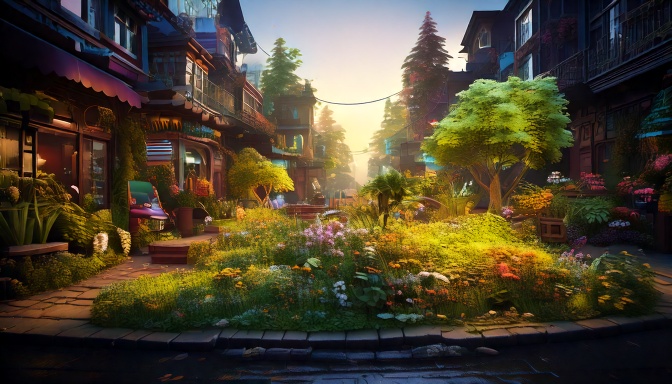
Could a co-op bloom on your block? A green roof atop your office?
Dive into Episode 311 and Episode 312 to fuel your own vision. Share your thoughts – I’m at wtf4cities@gmail.com or @WTF4Cities on Twitter/X.
Let’s collaborate – because the future of cities isn’t just coming; we’re building it, step by step, together.


Leave a Reply