This week’s episodes of the What is the Future for Cities? podcast – episode 355, a research summary of The Foundations of Holistic Management by the Savory Institute, and episode 356, an interview with Allan Savory, President of the Savory Institute – offered profound insights into holistic management and its potential to reshape urban futures through better resource management. Here are the key takeaways from these episodes, blending the research framework with Savory’s compelling vision.
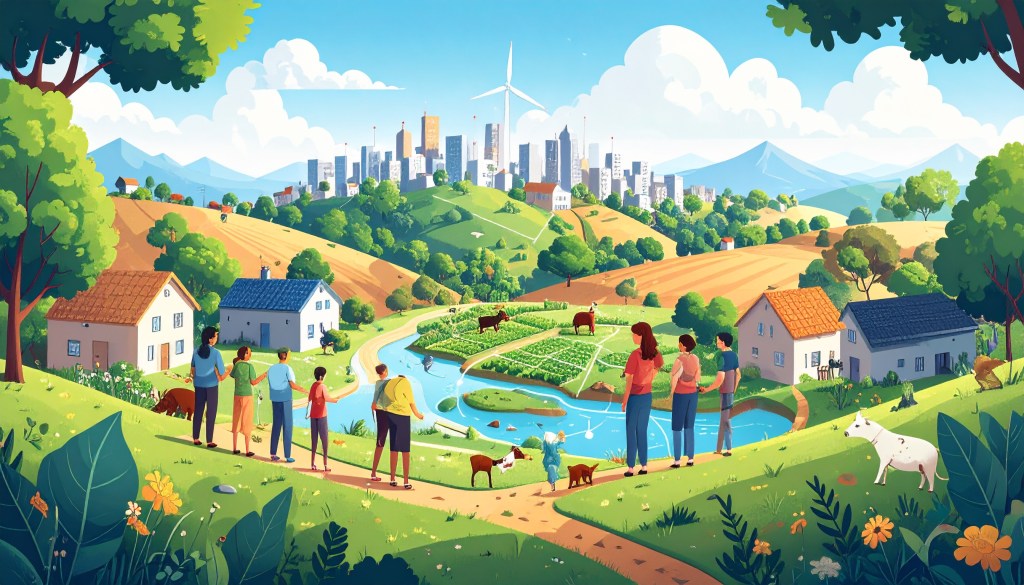
Holistic management: a paradigm shift for urban resource management
Holistic management, as introduced in episode 355, is not just about farming – it’s a decision-making framework that could revolutionise how we manage resources in cities. The research summary outlined four foundational insights that challenge conventional thinking:
- Nature functions in wholes – Everything is interconnected. Managing land, economy, and culture as separate entities ignores their indivisible nature, often leading to unintended consequences.
- Brittleness scale – Environments vary from non-brittle (humid, fast-decomposing) to brittle (dry, slow-decomposing). Over 60% of the world’s land is brittle, where simply resting land can worsen desertification, a critical consideration for urban planning near such areas.
- Predator-prey connection – Grazing animals, when moved to mimic natural herd behaviours driven by predators, can regenerate brittle landscapes by breaking soil caps, trampling plant matter, and enriching soil with dung.
- Time, not numbers, governs overgrazing – Overgrazing stems from how long plants are exposed to grazing, not just the number of animals. Short, intense grazing followed by long recovery periods is key to land health.
These insights set the stage for episode 356, where Allan Savory expanded on how holistic management applies to cities. He argues that agriculture – the production of food and fibre from land and waters – underpins all city-based civilisation. Yet, current agricultural practices are the most destructive industry in history, producing 20 times more eroding soil than food needed daily. This degradation fuels biodiversity loss, desertification, and climate change, threatening urban stability.
The root cause: flawed resource management
Savory’s central argument in episode 356 is that the root cause of global challenges – from climate change to failing governance – lies in how humans manage resources. He identifies three core areas we manage: our families/communities, the economy, and nature. These must be handled simultaneously and holistically, as managing them independently leads to failures like desertification or urban decline. Savory’s experience, including his work with 2,000 professionals in the US, revealed that institutional resistance and reductionist approaches (focusing on symptoms, not causes) hinder progress. His holistic context – a guiding vision tying quality of life to a regenerating resource base – offers a practical way to align decisions across these domains.
Regeneration over sustaining
A striking point from the interview is Savory’s rejection of “sustainability” as insufficient. Sustaining the status quo isn’t enough when ecosystems, soils, and communities are degrading. Instead, he champions regeneration – actively restoring soils, biodiversity, and social systems. For cities, this means rethinking resource flows, like food supply chains or water management, to support regenerative agriculture. Savory’s vision of a “brown revolution” – regenerating grasslands that cover two-thirds of Earth’s land – could sequester gigatons of carbon, improve water retention, and make urban-adjacent landscapes more resilient.
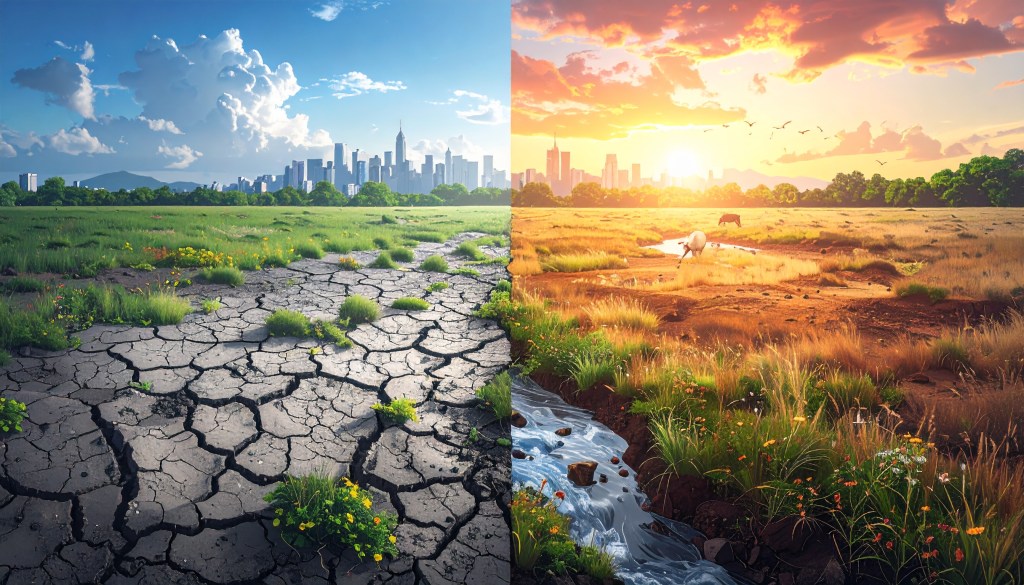
Urban apathy: a critical barrier
Savory warns that urban apathy is a major obstacle. City dwellers, often disconnected from the origins of their food, must demand better resource management. He urges listeners to investigate his claims, challenge institutions, and push for policies that address the root cause – flawed management – rather than symptoms like fossil fuel emissions. For urban leaders, this could mean integrating holistic management into city planning, ensuring food security through regenerative practices, and fostering community engagement to break the apathy cycle.
Governance and the holistic context
An unexpected insight from episode 356 is Savory’s critique of governance. He argues that political parties, whether in democracies or authoritarian systems, prioritise power over good governance, leading to divisive policies that exacerbate environmental and social issues. Drawing from his experience leading political parties and reflecting on George Washington’s warnings, Savory advocates for democracies without political parties to ensure decisions align with a holistic context that prioritises human well-being and environmental health.
Practical applications for cities
The episodes offer actionable ideas for urban contexts:
- Adopt holistic decision-making: Cities could use Savory’s seven context-checking questions to ensure policies align with long-term ecological and social goals, avoiding short-term fixes that cause harm.
- Support regenerative agriculture: Urban planners could incentivise local food systems that prioritise soil regeneration, reducing reliance on destructive industrial agriculture.
- Engage communities: To combat apathy, cities could launch education campaigns linking urban life to rural ecosystems, encouraging residents to advocate for regenerative practices.
- Plan for resilience: Inspired by holistic planned grazing, cities near brittle environments could integrate adaptive resource management to prepare for droughts or climate shifts.

The biggest takeaway from episodes 355 and 356 is urgency. Savory, now in his later years, passionately calls for action, urging city dwellers to care enough to act. His challenge is clear: investigate, question, and push for change. For urban futures, this means rethinking how we manage resources – not just to sustain but to regenerate.
By applying holistic management, cities could become hubs of resilience, supporting thriving communities and ecosystems.
Next week we are investigating holistic resource management and agriculture, with Allan Savory!
Share your thoughts – I’m at wtf4cities@gmail.com or @WTF4Cities on Twitter/X.
Subscribe to the What is The Future for Cities? podcast for more insights, and let’s keep exploring what’s next for our cities.
 What is The Future for Cities? Podcast
Leave a comment