This week on the What is The Future for Cities? podcast, two episodes examined urban challenges and solutions. Tuesday’s research episode (343R) summarised the white paper Creating sponge cities to tackle surface water flooding by Mark Coates and Neal Edmondson, advocating nature-based drainage to address rising flood risks. This prepared for Thursday’s interview (344I) with Mark Coates, Vice President of Infrastructure Policy Advancement at Bentley Systems, who discussed resilient infrastructure, digital tools, and long-term planning.
These discussions are relevant amid shifting climate patterns and urban growth. The research highlighted pluvial flooding, where intense rain overwhelms paved areas, citing cases like London’s 2021 deluge and Copenhagen’s 2011 storm with significant economic and human costs. Sponge cities counter this by absorbing water through features like rain gardens. Coates expanded on resilience as adapting to environmental, economic, and social changes, using digital twins and AI for informed decisions. His phrases – “the magic we’re looking for in the work we’re avoiding” and “making projects shovel-worthy not shovel-ready” – emphasise thoughtful innovation.
From these episodes, five key lessons emerge on integrating nature-based and digital approaches for adaptable cities.
Lesson 1: Nature-based solutions are essential for managing urban flooding
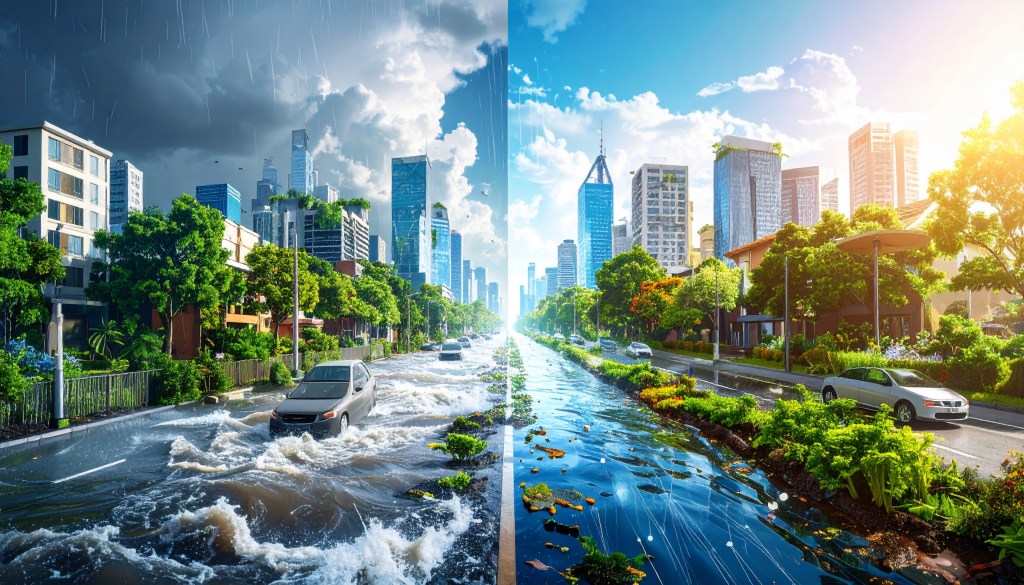
Traditional drainage falters against intensified storms, as warmer air holds about 7% more moisture per degree, combining with impermeable surfaces to cause rapid runoff and flash floods. Impacts include London’s 2021 chaos, flooding tube stations and hospitals at £280 million in claims, and Copenhagen’s 2011 deluge with 150 millimetres in two hours, costing 6 billion Danish kroner. Sponge cities shift this by mimicking natural absorption via swales, rain gardens, and permeable paving. Copenhagen’s cloudburst plan features over 250 interconnected projects, using modelling to avoid risk displacement. Mansfield’s £76 million blue-green scheme creates 30 million litres of storage, protecting 90,000 people while enhancing biodiversity and property values, as in Tåsinge Plads’ park conversion. Coates linked this to resilience, noting prevention of disasters like Brisbane’s floods. Cities must prioritise these over pipe expansions, which relocate issues, for local, multifunctional benefits.
Lesson 2: Digital tools enhance planning and crisis preparedness
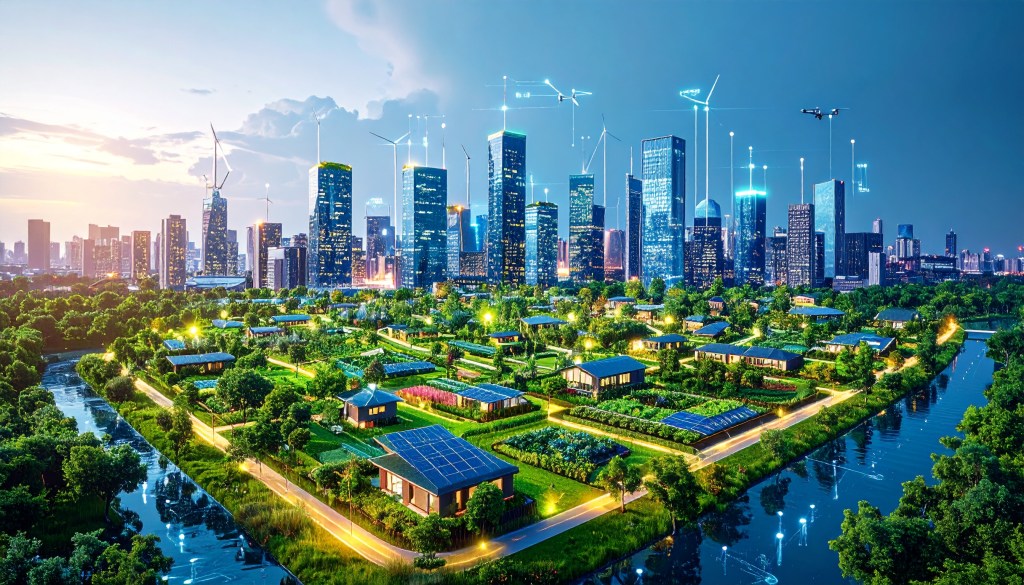
Coates defined digital transformation as a process yielding smart decisions, using twins – data-fed virtual asset replicas – and 4D/5D simulations for pre-construction visualisation. From Crossrail, he noted paper-to-iPad shifts improving safety and reducing errors. In sponge cities, Mansfield’s LiDAR and terrain software pinpoint interventions, modelling water retention. Copenhagen’s hydraulic modelling ensures cohesive solutions, preventing unintended flooding. These enable scenario testing for extreme weather and long-term planning across stages like policy to decommissioning. Coates stressed analytics turning data into knowledge, minimising waste per “measure twice, cut once.” AI optimises traffic or resources in crises, making cities responsive. Digital methods are foundational, anticipating challenges for efficient, adaptable infrastructure.
Lesson 3: Resilience involves integrating short- and long-term perspectives
Flood risks rise, with England’s high-risk properties projected to increase by mid-century amid climate and development. Combined sewers overflow sewage during rain, but better management reduces this. Coates viewed resilience as adapting to environmental, economic, and social shifts, like post-COVID work changes reshaping cities. He pushed “crisis planning” over short-termism, favouring “shovel worthy” projects with outcome-focused modelling via twins. New York’s $3.5 billion green investment returns over $2 per dollar in savings and livability. Copenhagen’s Enghave Park stores 22,000 cubic metres for reuse, addressing floods multifunctionally. With 9.7 billion people by 2050, cities need grey-green integration using projections for shock-resistant systems, ensuring proactive evolution.
Lesson 4: Data and collaboration drive connected urban development
Data evolves from unstructured lakes to analytics-driven insights. Copenhagen’s modelling integrates interventions; Mansfield plans catchment features with data. Coates distinguished data, information, and knowledge, likening to loyalty cards for value; asset tagging supports circular repurposing. Collaboration breaks silos for equitable progress, involving stakeholders as in Severn Trent’s partnerships. Open policies and models, like Brisbane’s twin-based centre attracting investment, foster solutions. Sponge cities deliver value: reduced overflows improve rivers, greener streets boost health and economy. Community efforts on permeable gardens restore ground. Amid resource scarcity, data-collaboration enables growth, from broadband-valued properties to integrated charging, creating inclusive ecosystems for evolving needs.
Lesson 5: Innovation requires engaging future generations and re-evaluating project value
Coates, inspired by his daughter, stressed youth engagement to fill construction skills gaps. Brisbane’s centre lets kids interact with twins of Olympics and First Nations views, exposing non-traditional roles alongside trades. Re-evaluating value shifts from “shovel ready” haste to “shovel worthy” depth, using tools for breakthroughs like timber buildings or drones. “The magic we’re looking for in the work we’re avoiding” challenges complacency. Sponge cities innovate via retrofits: Copenhagen’s Sankt Kjelds Plads manages water as a tourist draw, yielding gains. Bentley’s awards show growing progress. Nurturing talent and holistic value unlocks potential, evolving cities into thriving hubs amid pressures.
These episodes illustrate that urban resilience hinges on blending nature-based innovations like sponge cities with digital advancements for proactive, integrated planning. Sponge cities provide practical, nature-inspired fixes, while digital transformation offers the tools to scale them. By addressing flooding through absorption and leveraging tools for data-driven decisions, cities can mitigate risks while creating adaptable, liveable spaces. These approaches not only tackles immediate threats but also positions urban areas for long-term prosperity amid global changes.
Together, they point to a future where cities are not just surviving but adapting intelligently.
If you’re grappling with these ideas, check out the episodes (343R and 344I) – they offer a blueprint for building better urban worlds.

Next week we are investigating smart cities and urban mobility aspects through digital twins with Mina Sartipi!
Share your thoughts – I’m at wtf4cities@gmail.com or @WTF4Cities on Twitter/X.
Subscribe to the What is The Future for Cities? podcast for more insights, and let’s keep exploring what’s next for our cities.
 What is The Future for Cities? Podcast
Leave a comment