In the latest episodes of the What is the future for cities? podcast, we examined intriguing changes in urban forms and fresh ways to interpret them. Episode 341 summarised a 2024 research article from Nature Cities on global urban structural growth over three decades, showing a transition from outward expansion to vertical build-up. Episode 342 featured an interview with Keller Easterling, an architect and Yale professor, who discussed spatial language and its influence on urban dynamics. These episodes together provide a rich perspective on cities’ physical transformations and the deeper meanings in their designs. Here are five key lessons drawn from the discussions.
Cities are shifting from outward sprawl to vertical density globally
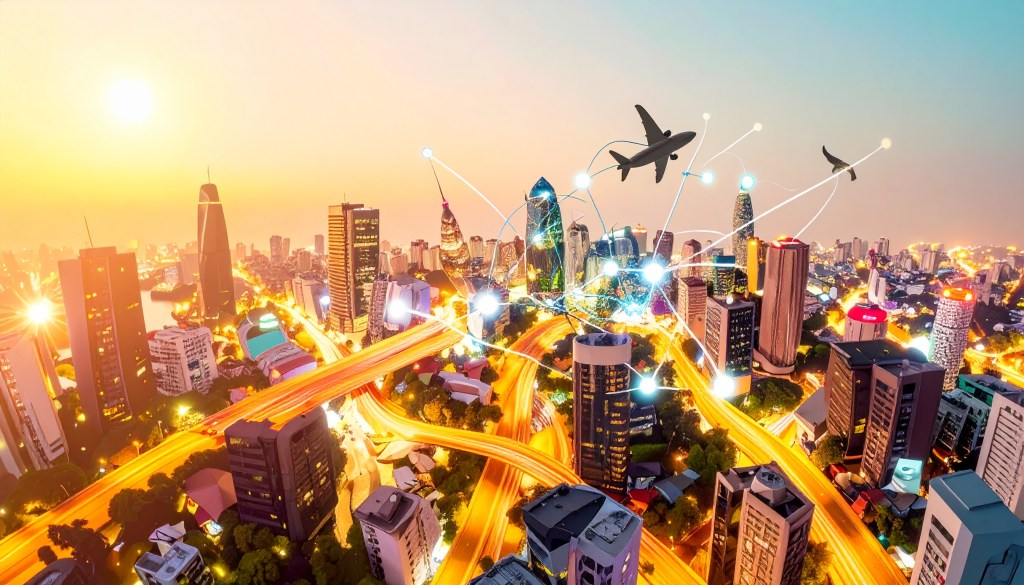
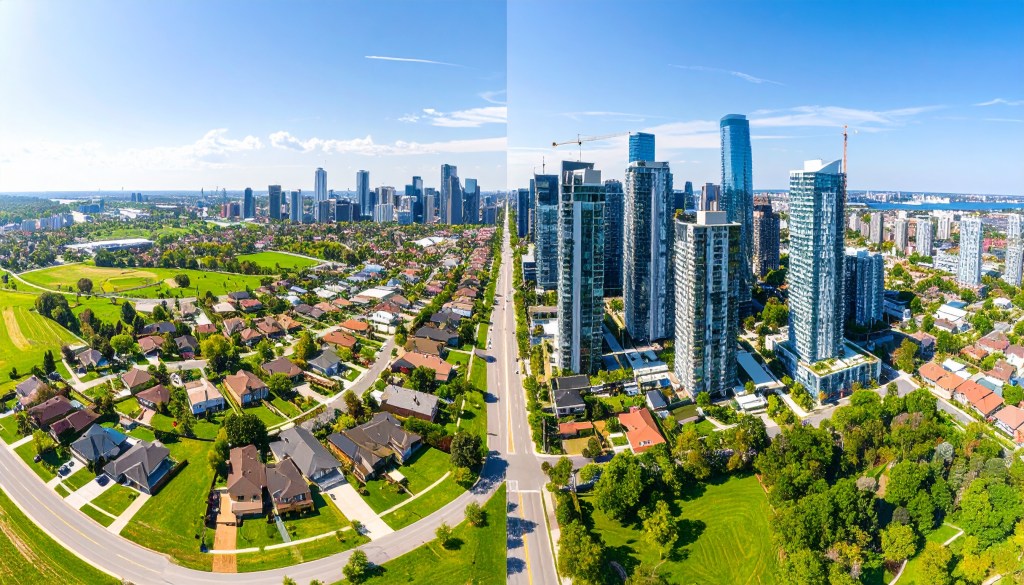
Satellite data from the 1990s to the 2010s reveals a major trend: urban horizontal growth is decelerating while vertical development accelerates. Researchers used building fraction (BF) for ground coverage and microwave backscatter (PR) for volume and height, offering a 3D view of change. In Asia, particularly China, cities like Beijing initially expanded “up and out” but later prioritised height due to land scarcity. Europe maintained steadier patterns, while Latin America saw overall slowdowns. This shift ties to economic maturity – prosperous areas favour density as land values rise. Implications include better land use for non-urban purposes, but also challenges like increased material demands and altered local climates.
Growth patterns vary by region and city size, starting from the core
Urban expansion isn’t uniform; it evolves through typologies like “budding” (slow low-rise starts), “outward” (rapid horizontal push), and “upward” (vertical focus). Many areas moved from outward to upward over time, often beginning in mega-city centres and spreading peripherally. Smaller cities and edges tend to grow slower and more horizontally. In Africa and South Asia, the 2010s marked a clearer vertical turn, while China’s real estate boom drove intense mixed growth. This highlights how core economic hubs lead transformations, influenced by urbanisation pressures, offering planners data to anticipate and guide changes.
Spatial language unlocks hidden values in urban environments
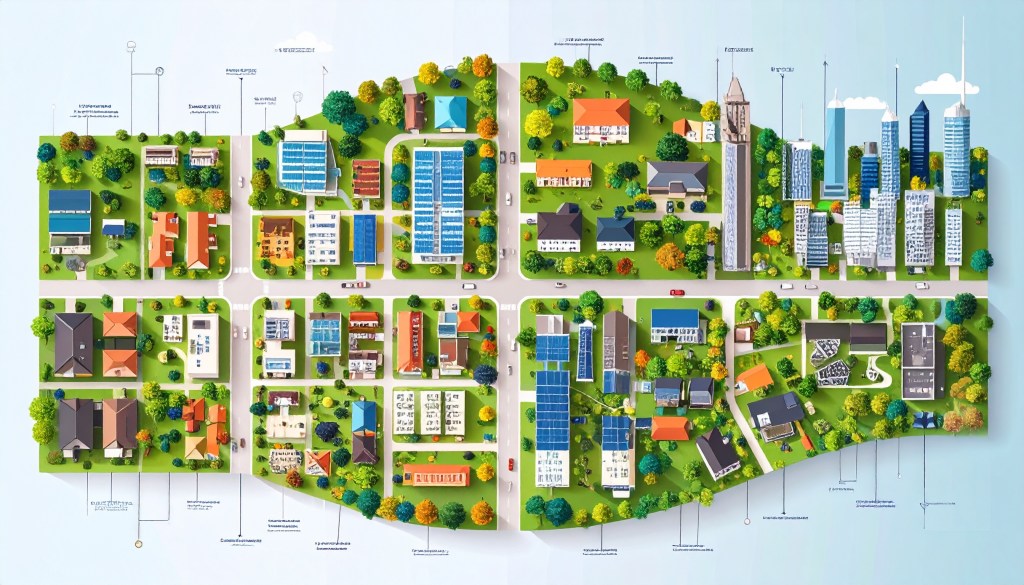
Keller Easterling introduces spatial fluency as a tool to recognise space’s role in creating value beyond finances. Cities enable community economies through physical elements – proximities, shapes, and interactions like sunlight on buildings or neighbourhood paths. These foster interdependencies, making urbanity stronger with diversity and “lumpiness”. Unlike the 20th century’s focus on a single financial economy, spaces host multiple layers of durable exchanges, such as time or resources. This perspective complements the research: vertical shifts could enhance these if designed to amplify connections, turning density into an asset for robust, information-rich cities.
Alternative infrastructures can make vertical growth more effective
Easterling advocates for “relational infrastructures” – live systems like landscapes or communities that generate superabundance, where inputs multiply outputs (one seed yields ten). These rival traditional concrete setups in prudence, redoubling resources across registers. Examples include protocols for mixing transport capacities or pooling mortgages based on climate risks to counter sprawl. Linking to the study’s trends, as outward expansion slows, investing in such designs could optimise vertical cities, protecting against gentrification and integrating natural elements for resilience. This approach views space as regenerative, aligning with global shifts towards compaction.
Combining data insights with spatial design fosters adaptive urban futures
The episodes underscore the power of merging satellite metrics for objective trends with spatial thinking for interpretation. Data shows physical evolutions, but without fluency, opportunities slip away. Cities, as flexible networks, can lead planetary responses by leveraging differences for innovation, rather than uniform plans. In places like Budapest, blending historic and modern elements could apply this: retrofit protocols to balance density and local life. Ultimately, understanding these as living systems equips us to shape resilient futures amid rapid change.
Cities once sprawling endlessly into horizons or soaring skyward, reshaping our world in dramatic ways? Episodes 341 and 342 of the What is the future for cities? podcast illuminate not just data points on a map, but a profound narrative of adaptation, where economic forces collide with human ingenuity to reshape our shared environments. Keller Easterling’s call for spatial fluency invites us to see beyond bricks and mortar, recognising the subtle rhythms of proximity and exchange that breathe life into urban fabrics. These insights remind us that cities are mirrors of our collective choices: will we harness density for connection, or let it isolate?
The future isn’t set in stone – or steel – but in the thoughtful designs we pursue today.
Next week we are investigating sponge cities and digital transformation prospects with Mark Coates!
Share your thoughts – I’m at wtf4cities@gmail.com or @WTF4Cities on Twitter/X.
Subscribe to the What is The Future for Cities? podcast for more insights, and let’s keep exploring what’s next for our cities.
 What is The Future for Cities? Podcast
Leave a comment