
This week, the What is The Future For Cities podcast delivered a powerful double feature that challenges us to rethink urban spaces through the lens of children and youth. Episode 337R, based on Rhian Powell’s 2024 research, explored the opportunities and challenges of child-friendly cities, while episode 338I featured an inspiring interview with Alison Watson, founder of Class Of Your Own, who shared her vision for empowering the next generation to shape the built environment. Together, these episodes highlight the urgent need to prioritize kids in urban planning and education, offering practical insights and bold ideas for creating cities that work for everyone. Here’s what we learned and why it matters.
The case for Child-Friendly Cities
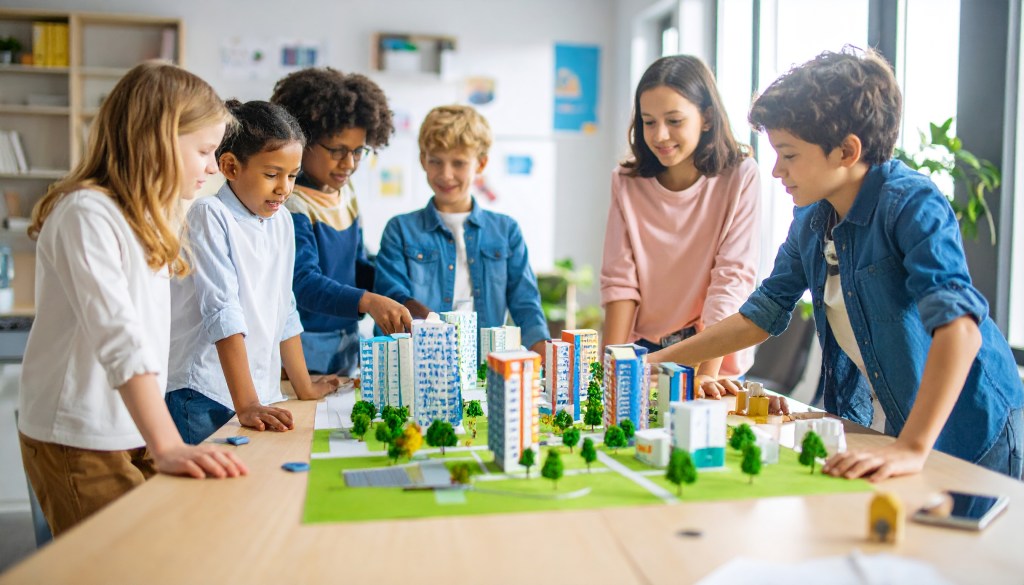
Episode 337R sets the stage by unpacking what it means to create cities where children thrive. With 60% of kids projected to live in urban areas by 2030, the stakes are high. A child-friendly city (CFC), as defined by UNICEF, is one that embeds the rights of the child – civil, political, social, economic, and cultural – into its policies, programs, and budgets. It’s not just about adding playgrounds; it’s about systemic change. Practitioners interviewed in Powell’s research emphasized five key goals: ensuring children are valued participants, have their voices heard, access quality services like health and education, live in safe and clean environments, and enjoy opportunities for play, leisure, and family life.
The opportunities are immense. Designing cities with kids in mind fosters inclusive decision-making, encouraging local governments to seek out children’s perspectives. This not only amplifies youth voices but also creates universal benefits. For example, safer streets for kids – think better crossings or lower speed limits – improve mobility for everyone, from the elderly to pedestrians. Green spaces for play enhance air quality and reduce urban heat, aligning with goals like dementia-friendly or green cities. Practitioners highlighted priorities like providing play spaces, fostering nature connections, supporting caregivers, enabling independent mobility, and involving kids in urban policy decisions, from park designs to transport strategies.
Yet, challenges persist. The concept of a “child-friendly city” can be vague, leading to incremental projects (e.g., park upgrades) rather than citywide visions. Complex governance, competing departmental priorities, and limited local authority – especially in cities like Regensburg, Germany, or Bern, Switzerland – hinder progress. Political will often wanes, and intergenerational tensions over resource allocation (e.g., youth vs. elderly services) create friction. Age-siloed policies further marginalize children’s needs in areas like transport or housing. Most critically, meaningful participation is tough: adult-led consultations often limit kids’ input to narrow topics like playgrounds, excluding them from broader decisions, and engaging diverse or marginalized youth requires significant effort.
Empowering the next generation through education
Episode 338I builds on these ideas, shifting focus to how education can prepare kids to actively shape urban futures. Alison Watson, a former land surveyor turned education innovator, shared her journey founding Class Of Your Own, a social enterprise revolutionizing how children learn about the built environment. Her Design Engineer Construct (DEC) curriculum empowers students to design, engineer, and construct projects digitally, connecting subjects like math, science, art, and history through real-world applications.
Watson’s core insight is that education must foster confidence and resilience. She argues that traditional schooling often fails to show kids the relevance of what they learn, leaving them unprepared for industries like construction. Her solution? Start at age 11, when kids are still in a holistic learning phase, and teach them through the lens of the built environment. For example, designing a modern Colosseum involves history (Roman arches), physics (structural stability), and art (creative design), making learning engaging and purposeful. This approach normalizes technical subjects for all students, countering stereotypes that construction is “just for boys” or “non-academic” kids.
Watson also tackles systemic issues. She critiques the construction industry’s superficial engagement with schools – think career fairs with “Haribo suites and ballpoint pens” that don’t lead to real opportunities. She calls for meaningful partnerships where industries provide technology and mentorship, ensuring schools have tools like digital twins or VR to replicate workplace environments. Her frustration is palpable when discussing the “skills, knowledge, and behavior shortage” in construction, exacerbated by AI-driven job sifting that overlooks talented youth. Watson’s optimism shines through, though, as she sees AI as a tool to accelerate learning, provided kids are taught to challenge it critically rather than accept outputs blindly.
Her vision extends globally, with initiatives like supporting Ukrainian refugees by training architects to teach DEC, preparing kids to rebuild their war-torn cities. This humanitarian lens underscores her belief that education is key to addressing global challenges, from climate change to urban reconstruction.
Connecting the cots: Cities and education as partners
The synergy between these episodes is striking. Episode 337R shows why we need child-friendly cities: to uphold children’s rights and create inclusive urban spaces. Episode 338I offers a how: through education that equips kids to be active participants in urban design. Both highlight the power of youth voices – whether through city planning consultations or classroom projects – and the barriers to making those voices heard, from bureaucratic silos to tokenistic engagement.
A key takeaway is the need for holistic approaches. Just as child-friendly cities integrate children’s needs across policies, Watson’s curriculum weaves subjects together to make learning relevant. Both require breaking down silos – between departments in city governance or subjects in education – and fostering genuine participation. For example, a city like Cardiff, with strong national child-rights frameworks, can learn from Watson’s model to involve kids in planning, while schools can adopt CFC principles to create safe, inspiring learning environments.
Another lesson is the ripple effect of kid-focused initiatives. Safer streets benefit all; education that excites kids about construction addresses industry shortages while empowering them as civic leaders. Watson’s call for industry-school partnerships mirrors the CFC need for cross-sector collaboration, suggesting cities and schools could co-create programs where kids design real urban projects, from parks to public transit stops.
Challenges to overcome
Both episodes underscore persistent hurdles. In CFCs, vague definitions and fragmented governance stall progress, while limited political will and resources pit generations against each other. In education, outdated curricula, lack of technology, and industry disconnects leave kids unprepared. Participation is a shared pain point: kids are often consulted on trivial matters rather than systemic issues, and marginalized groups are hardest to reach. Watson’s frustration with AI job sifting echoes CFC concerns about systemic barriers that exclude youth from meaningful roles.
These challenges demand bold action. Cities need clear CFC frameworks, cross-departmental mandates, and sustained advocacy to maintain momentum. Schools need investment in technology and industry partnerships to make learning relevant. Both require cultural shifts to value youth as equal partners, not just future adults.
What can we do?
So, what can we do to make these insights reality? Here are five actionable steps for urban planners, educators, and communities:
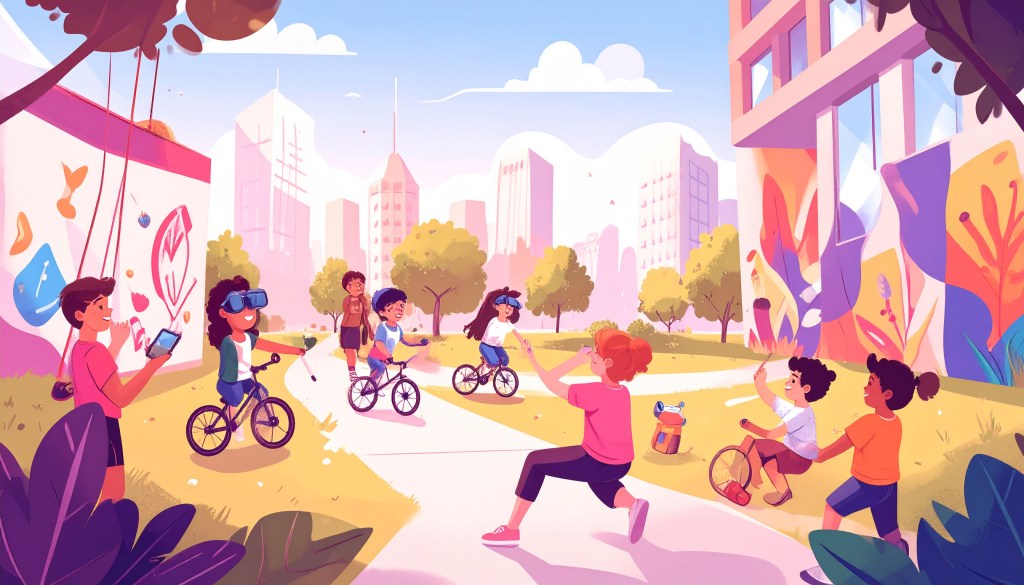
- Prioritize youth in urban planning: Cities should establish youth councils with real decision-making power, not just advisory roles. Involve kids in projects like transport planning or green space design, ensuring diverse representation.
- Integrate built Environment education: Schools should adopt curricula like Watson’s DEC, starting at age 11, to connect subjects through urban projects. Partner with industries to provide tools and mentorship, making learning hands-on and relevant.
- Invest in school technology: Governments and industries must fund technologies like VR or digital twins in schools, aligning education with workplace tools to prepare kids for urban careers.
- Foster industry-school partnerships: Construction firms should move beyond career fairs to offer apprenticeships, internships, and ongoing mentorship, ensuring kids’ skills are recognized and utilized.
- Create safe, inclusive urban spaces: Cities should design streets, parks, and public spaces with kids’ safety and mobility in mind, using CFC principles to benefit all residents.
This week’s episodes remind us that cities are only as strong as the opportunities they offer their youngest residents. Child-friendly cities and innovative education are two sides of the same coin: both empower kids to thrive and lead. By listening to practitioners in episode 337R and visionaries like Alison Watson in 338I, we see a clear path forward – collaborative, inclusive, and youth-centred.
How can we ensure our cities and schools amplify the voices of the next generation?
The future of cities starts with kids – let’s build it together.
Next week we are continuing the journey on how to involve the next generation to the future of cities withthe non-coercive parenting style, based on the book The Sovereign Child and Aaron Stupple and Logan Chipkin as interviewees across the next weeks!
Share your thoughts – I’m at wtf4cities@gmail.com or @WTF4Cities on Twitter/X.
Subscribe to the What is The Future for Cities? podcast for more insights, and let’s keep exploring what’s next for our cities.
 What is The Future for Cities? Podcast
Leave a comment