This week on the What is The Future for Cities? podcast, we explored the art and science of placemaking through two compelling episodes. Episode 333R unpacked John Friedmann’s 2010 research, Place and Placemaking in Cities: A global perspective, offering a deep look at how small urban spaces become cherished community hubs. Episode 334I featured an interview with James Mant, CEO of Spero-ai, who shared practical strategies for designing walkable, vibrant cities and leveraging AI to enhance urban planning. Together, these episodes reveal a powerful truth: cities thrive when they prioritize human connection, community identity, and thoughtful design. Here’s what we learned about crafting cities that feel like home.
What makes a place truly special?
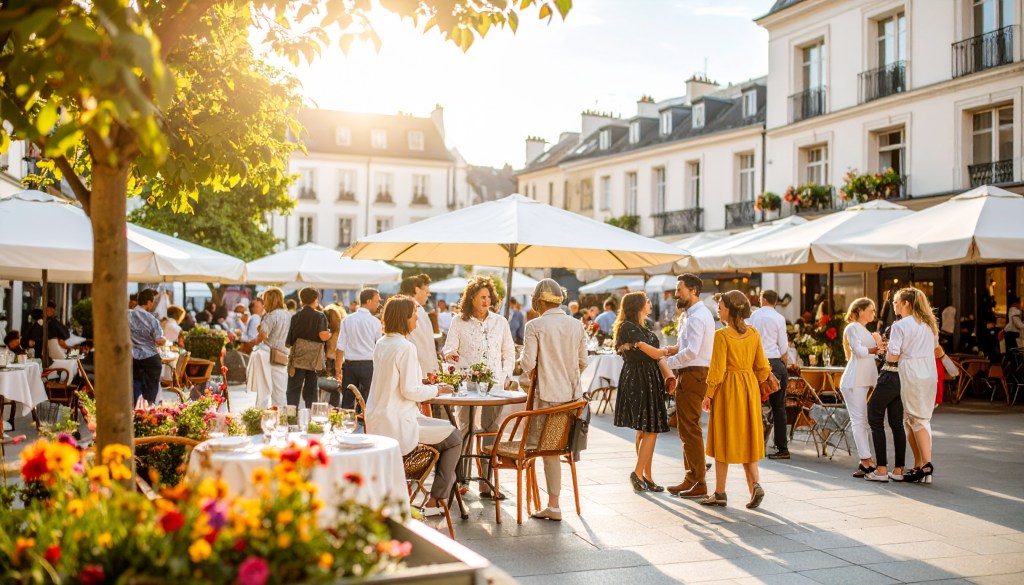
Friedmann’s research in episode 333R asks a fundamental question: what transforms a physical space into a place? He defines a place as a small-scale, pedestrian-friendly urban space that is inhabited and cherished by its community. It’s not just about bricks and mortar—it’s about the human experiences that give a location meaning. Take the Su-Tree Temple in Taiwan, a bustling hub where daily rituals, market activity, and neighbourly chats create a vibrant “stage” for community life, as geographer Tim Cresswell describes. This idea of “reiterative social practices”—the repeated interactions like praying, shopping, or gossiping—shows that places are dynamic, constantly shaped by the people who use them.
Friedmann emphasizes three criteria for authentic places: they must be small-scale, inhabited, and cherished. Small-scale spaces, like a local park or diner, encourage spontaneous encounters—bumping into a neighbour or chatting with a shopkeeper. Inhabited spaces evolve through residents’ actions, from painting murals to planting community gardens. Cherished spaces hold deep emotional value, often revealed when they’re threatened, like when neighbours rally against a proposed demolition. These insights remind us that urban planning isn’t just about infrastructure; it’s about nurturing the social and emotional bonds that make cities liveable.
The dark side of urban progress
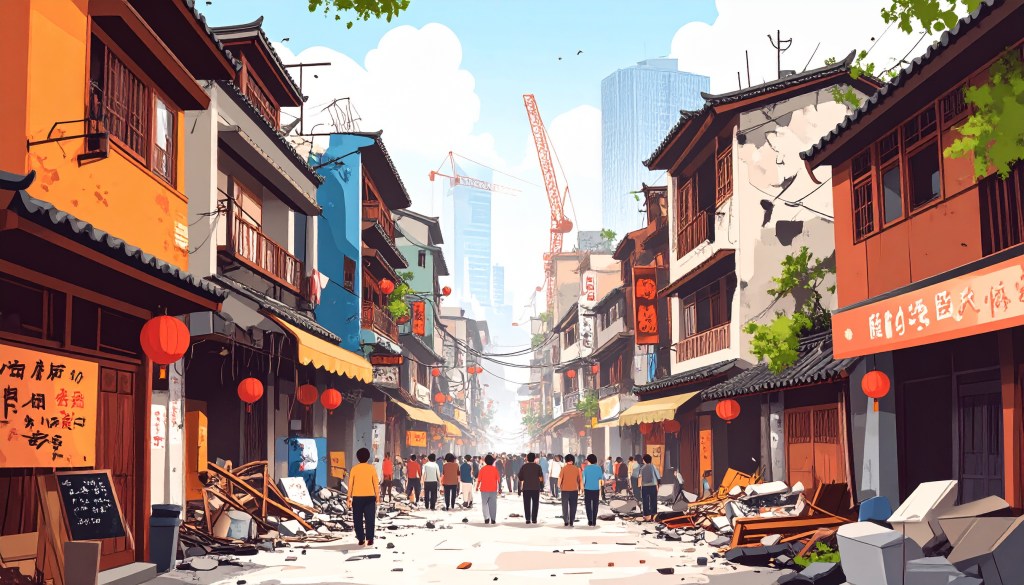
A sobering lesson from episode 333R is the devastating impact of “place erasure.” Friedmann calls the destruction of established places a “violent act” because it severs human relationships and dismantles social networks. He illustrates this with Beijing’s hutong demolitions, where, between 1998 and 2008, hundreds of thousands of residents were displaced from historic alleyway neighbourhoods to make way for modern developments. These residents lost not just their homes but their familiar streets, lifelong connections, and sense of belonging. Relocated to isolated apartment blocks, many felt cut off from the rhythms of their old lives.
This pattern isn’t unique to Beijing. Friedmann connects it to global examples, like Jane Jacobs’s critique of urban renewal in the U.S., which razed vibrant neighbourhoods, or favela evictions in Brazil. Terms like “slum clearance” or “gentrification” often mask the human cost of these disruptions. The lesson here is clear: urban progress must prioritize people over shiny new buildings. Planners and policymakers need to recognize the trauma of displacement—described as “root shock” by Mindy Fullilove—and work to preserve the social fabric of communities.
Placemaking as a collaborative art
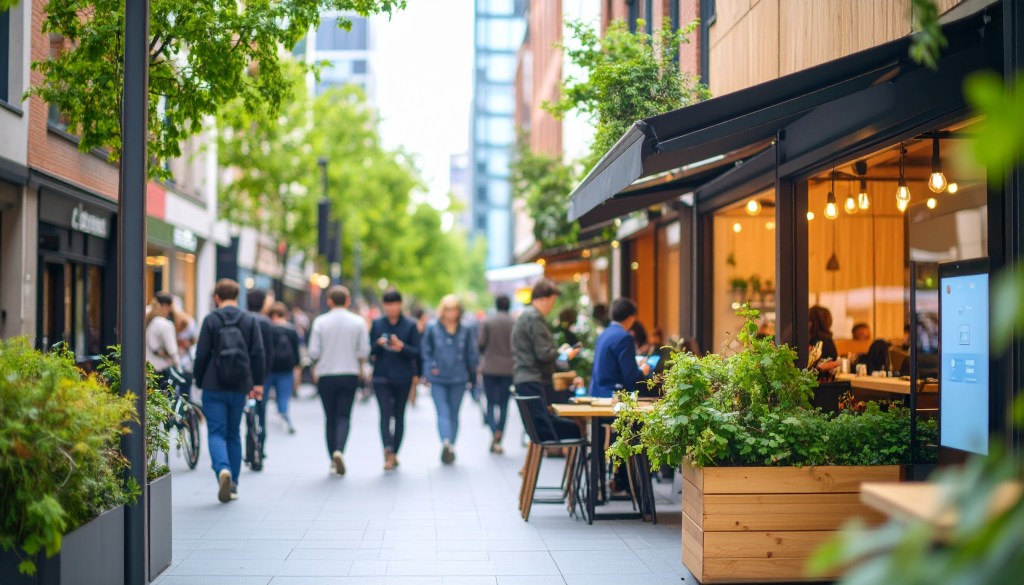
In episode 334I, James Mant brings a practical perspective to placemaking, describing it as “everything about a place.” For Mant, it’s not just about streetscapes or public seating but how buildings interact with the street, how uses (like shops or cafes) activate spaces, and how design fosters connection. He’s passionate about “active frontages”—buildings with open windows, wide doors, or visible activity that invite passersby to engage. Contrast this with his pet peeve: reflective glass at street level, which he likens to a concrete wall, shutting out the street’s vitality.
Mant’s work on 20-minute neighbourhoods, where daily needs are accessible within a short walk or bike ride, offers a blueprint for human-centred cities. His 2020 award-winning policy for Victoria, Australia, emphasizes local access to parks, shops, and services, a concept that gained traction during COVID lockdowns when people relied heavily on their immediate surroundings. Mant’s vision aligns with Friedmann’s emphasis on small-scale, inhabited spaces, showing that placemaking is a collaborative effort. It requires planners, residents, and businesses to work together, as seen in his pilot project where traders united to improve their streetscape, boosting both community pride and economic vitality.
Learning from the past, designing for the future
Both episodes highlight the importance of learning from the past to shape better urban futures. Friedmann points to historic places, like the Su-Tree Temple, which has been rebuilt multiple times over centuries yet retains its community role through consistent social patterns. Mant echoes this, noting that traditional designs, like verandas in Australia, were climate-adaptive, providing shade in hot summers—something modern buildings often lack. He questions why we’ve abandoned proven practices, urging planners to blend historical wisdom with modern innovation.
Mant also challenges the “predict and provide” approach, like building more roads to ease traffic, which often backfires by inducing more car use. He cites the concept of induced demand: wider roads fill up with more traffic, not less. Instead, he advocates for walkable, bike-friendly cities, drawing on pre-car urban designs where medium-sized cities thrived on fine-grained, pedestrian-oriented layouts. This lesson is a call to action: urban planning must prioritize health, sustainability, and liveability over car-centric sprawl.
The role of technology in placemaking
A forward-looking insight from episode 334I is the potential of AI to transform urban planning. Mant sees AI as a tool to handle repetitive tasks—like processing permits or analysing data—freeing planners to focus on creative, strategic work. At Spero AI, he’s developing solutions to make planning more efficient, reducing the hostility and complexity that applicants and planners often face. For example, AI could model scenarios to predict the impact of new developments on transport or community life, enabling better decision-making.
Mant compares AI’s impact to the introduction of ATMs, which didn’t eliminate bank tellers but shifted their roles to more meaningful tasks. In cities, AI could monitor outcomes—something Melbourne currently does poorly, Mant notes—ensuring plans deliver on their promises. This aligns with Friedmann’s call for engaged, resident-focused planning, as technology can amplify community voices by analysing feedback or mapping sacred spaces, like those Randolph Hester advocates preserving.
Empowering communities to shape their cities
Perhaps the most inspiring lesson from both episodes is that placemaking is “everyone’s job,” as Friedmann puts it. Episode 333R showcases community resilience, like Japan’s neighbourhood associations that led recovery efforts after the Kobe earthquake, fuelling the machizukuri movement for citizen-led governance. Mant reinforces this, emphasizing that vibrant neighbourhoods often grow organically from residents’ daily interactions, not top-down master plans. His call to engage communities early—especially on tough issues like housing growth—highlights the need for honest, inclusive conversations.
Mant’s regret from his 20-minute neighbourhood pilot was not tackling housing resistance head-on. He learned that avoiding hard topics delays progress, as disputes often erupt later in court or public battles. By involving residents early, planners can address fears, highlight benefits (like vibrant local economies), and build trust. This lesson underscores the power of community agency: when people feel heard, they’re more likely to contribute to their city’s future.
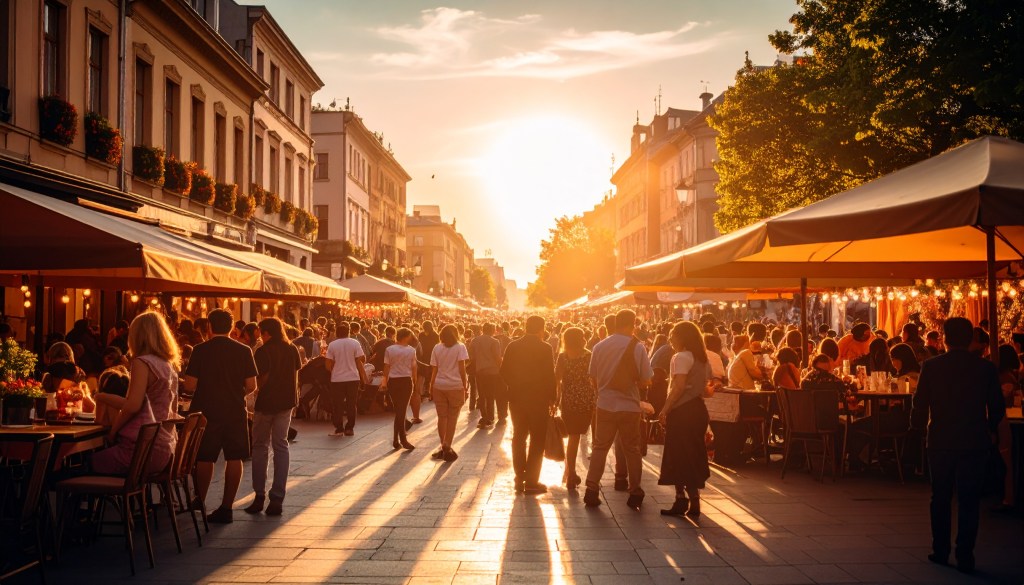
This week’s episodes remind us that cities are more than concrete and steel—they’re living tapestries of human connection. Friedmann’s research in episode 333R shows how small, cherished places anchor communities, while James Mant’s insights in episode 334I offer practical tools to make cities walkable, inclusive, and smart. Together, they challenge us to ask:
What kind of city do we want to live in?
Whether it’s protecting a beloved park, designing a lively street, or using AI to plan smarter, we all have a role in shaping urban futures.
So, take a moment to notice the places that matter in your city. Is it a cozy café, a bustling market, or a quiet bench where neighbours chat? Then, think about how you can contribute—maybe by joining a local group, sharing ideas with planners, or simply celebrating what makes your community unique. As Mant says, “Create a party, and everyone will come.”
Let’s make our cities places where everyone feels invited.
Next week on the What is The Future for Cities? podcast, we explore urban energy futures. Episode 335R unpacks Basu and Bale’s research on sustainable energy systems, while episode 336I with Jon Mills dives into renewable energy and digital infrastructure driving urban evolution. Tune in to learn how cities can power a greener tomorrow!
Share your thoughts – I’m at wtf4cities@gmail.com or @WTF4Cities on Twitter/X.
Subscribe to the What is The Future for Cities? podcast for more insights, and let’s keep exploring what’s next for our cities.
 What is The Future for Cities? Podcast
Leave a comment