Nuclear energy: a divisive topic that sparks heated debates about safety, resilience, and the future of our cities. This week, the What is The Future for Cities? podcast tackled nuclear’s potential through a research summary of Investigating the Potential of Nuclear Energy in Achieving a Carbon-Free Energy Future by Jānis Krūmiņš and Māris Kļaviņš, and an interview with Kirsty Braybon, principal of Braybon Advisory and a nuclear law lecturer at the University of Adelaide. From small modular reactors to regulatory reform, we uncovered five critical lessons about how nuclear energy could shape resilient, carbon-free urban futures. These insights challenge assumptions and invite us to rethink energy strategies for cities.
Lesson 1: Nuclear provides stable, low-emission power for growing cities
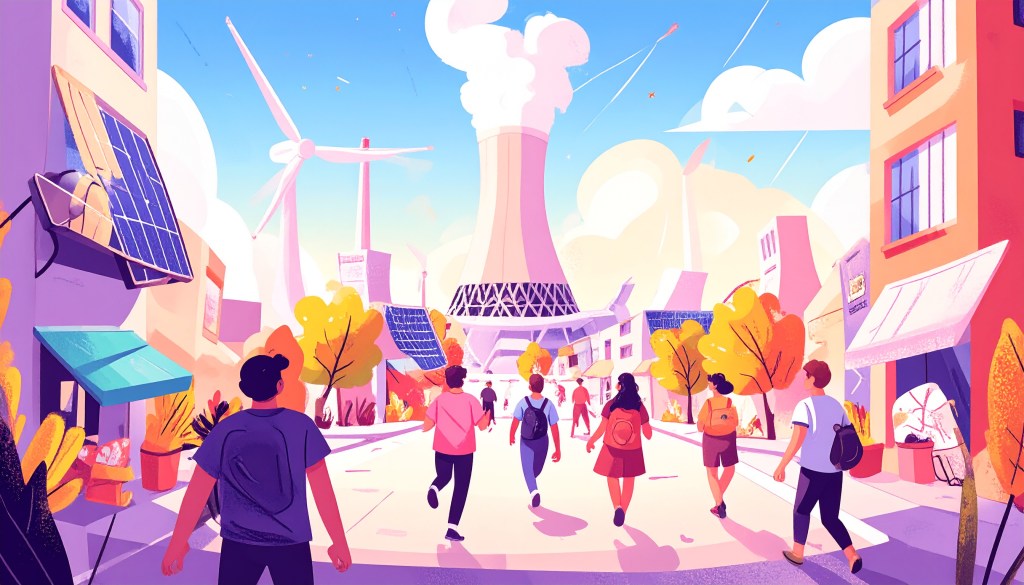
Cities are energy-hungry, powering everything from electric buses to data centers. Yet, 84% of global energy still comes from fossil fuels, driving climate change. Nuclear energy offers a solution: baseload power—reliable, round-the-clock electricity with near-zero greenhouse gas emissions during operation. Unlike solar or wind, which fluctuate with weather, nuclear delivers consistency. Imagine a city where hospitals, schools, and factories run on clean energy without blackouts. Nuclear’s stability makes it a vital complement to renewables, helping urban areas meet soaring energy demands while cutting carbon.
Could this be the backbone of carbon-neutral cities?
Lesson 2: Small modular reactors offer flexible, safer energy solutions
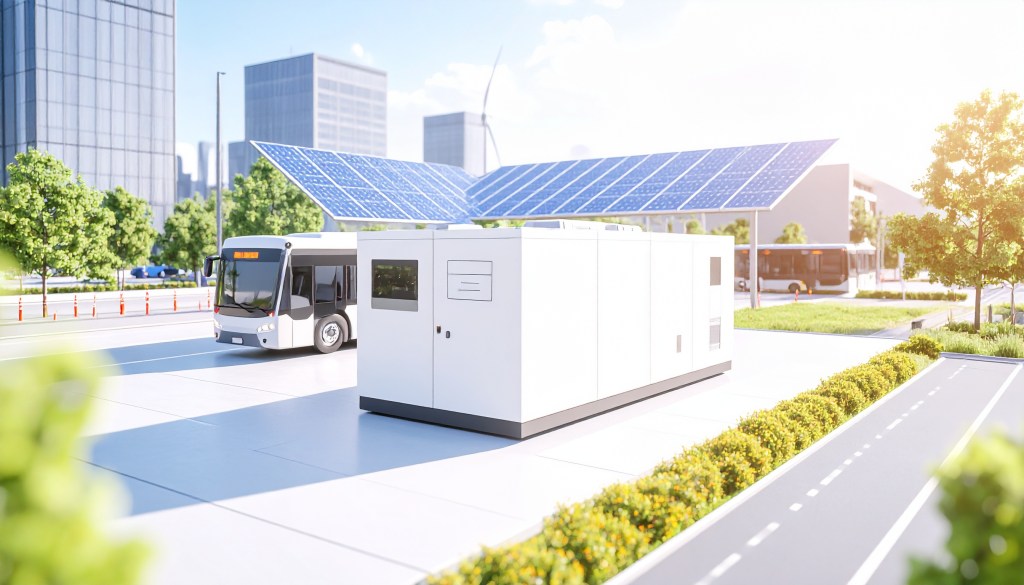
Traditional nuclear plants are massive, but small modular reactors (SMRs) are changing the game. These compact units, generating up to 300 megawatts, are designed for flexibility—powering urban microgrids, remote communities, or industrial hubs like ports. SMRs boast enhanced safety features, like passive cooling systems that work without active power, reducing accident risks. They could even support carbon capture or hydrogen production, amplifying their climate impact. For cities, SMRs mean tailored energy solutions that fit diverse needs, from dense downtowns to regional outskirts.
Are SMRs the key to scalable, safe urban energy?
Lesson 3: Nuclear waste is manageable with policy, not just science
Nuclear waste is a lightning rod for critics, but the reality is less daunting than it seems. We know how to recycle and store waste safely—spent fuel can be reprocessed (as Australia does in France) or vitrified into stable glass for deep geological storage. Surprisingly, most nuclear waste comes from medical uses, not power plants, and high-level waste is small in volume. The real challenge? Policy and public perception. Finding communities to host disposal sites requires trust and transparency, not just technical fixes. For cities, this means nuclear’s waste problem is solvable with open dialogue and smart governance.
Can we overcome the fear factor?
Lesson 4: nuclear drives long-term economic resilience
Nuclear energy isn’t just about clean power; it’s a catalyst for economic vitality, especially in regions surrounding cities. A single nuclear project spans 130 years—10 years of planning, 100 years of operation, and 20 years of decommissioning. That’s four to five generations of high-paying jobs, from engineers to waste specialists, fostering prosperity in urban and rural areas alike. In places like Australia, where regional economies often hinge on volatile industries like mining, nuclear could create stable, diversified job markets. Picture thriving regional hubs linked to cities, built on nuclear-driven growth.
Could nuclear redefine urban-regional economies?
Lesson 5: Smart regulation and public trust Are make-or-break
Nuclear’s potential hinges on two non-technical factors: regulation and public trust. Outdated laws, like Australia’s nuclear ban from a 20-year-old political deal, can stifle innovation, delaying clean energy solutions for cities. Regulations should solve problems—like protecting communities or the environment—without choking progress. Equally critical is public perception. Fears of accidents or waste often overshadow facts, like the low radiation risk of nuclear plants compared to, say, eating a banana. Education and early community engagement are essential to build trust. For cities, this means balancing innovation with safety through transparent policies.
How do we get the public on board?
Why these lessons matter?
These lessons paint nuclear energy as more than a power source—it’s a tool for building sustainable, resilient cities and regions. Nuclear’s stability complements renewables, addressing the intermittency that challenges urban grids. SMRs offer flexibility, making clean energy accessible to diverse communities. Waste and safety concerns, while real, are manageable with the right policies and communication. Economically, nuclear promises decades of jobs, revitalizing regions often overlooked in urban planning. But unlocking this potential requires overcoming regulatory lag and public skepticism, a challenge as critical as the technology itself.
Cities worldwide face a common dilemma: how to meet growing energy needs while slashing emissions. Nuclear, these lessons suggest, deserves serious consideration—not as a silver bullet, but as part of a balanced energy mix. Whether in small nations like Latvia or sprawling countries like Australia, nuclear’s role depends on local context, but its benefits are universal: cleaner air, stable power, and economic opportunity. The question isn’t just whether nuclear fits—it’s whether we can afford to ignore it.
Nuclear energy challenges us to rethink how we power our cities—not just with technology, but with policies, trust, and vision. These five lessons show its potential to drive sustainability and prosperity, but they also highlight the work ahead. Whether you’re an urban planner, a curious citizen, or a policymaker, your voice matters. Listen to this week’s episodes, share your insights, and let’s keep asking:
- What’s the right energy mix for your city—nuclear, renewables, or both? Nuclear’s strengths are clear, but how should cities balance it with solar or wind?
- How can we build trust in nuclear energy? Education is key, but what would convince you or your community to embrace it?
- Are regulations stifling urban innovation? From nuclear bans to zoning laws, how can cities streamline policies without compromising safety?
These questions invite us to think beyond the technical and into the social and political realities shaping our cities. Share your thoughts in the comments, connect with us on social media, or join our community to keep the dialogue alive.
The future of cities is ours to build—let’s make it bold.
Next week, we’re exploring placemaking—the magic of designing urban spaces that bring people together. From vibrant parks to bustling street markets, placemaking creates neighborhoods where communities thrive. How can cities foster connection, creativity, and resilience through thoughtful design? Subscribe to What is The Future for Cities? to find out. Don’t miss it!
Share your thoughts – I’m at wtf4cities@gmail.com or @WTF4Cities on Twitter/X.
Subscribe to the What is The Future for Cities? podcast for more insights, and let’s keep exploring what’s next for our cities.
 What is The Future for Cities? Podcast
Leave a comment