Cities are the heartbeat of human progress, where ideas, economies, and communities collide. This week on the What is The Future for Cities? podcast, we explored two powerful perspectives on urban development: a 2017 study from Tanzania on long-term urban planning (Episode 323R) and an interview with Fin Moorhouse, a research fellow at Forethought, on the future of cities in an AI-driven world (Episode 324I). Together, these episodes offer profound lessons for urban planners, policymakers, and anyone passionate about creating cities that are sustainable, equitable, and beautiful. Here’s what we learned and how these insights can guide us toward a better urban future.
Lesson 1: Strategic planning aets the atage for thriving neighborhoods
Episode 323R, based on the study “Planning Ahead for Better Neighborhoods: Long Run Evidence from Tanzania,” reveals the transformative power of proactive urban planning. In the 1970s and 80s, Tanzania’s Sites and Services program provided basic infrastructure—roads, drainage, water mains—in “de novo” neighborhoods built on empty land. Residents were responsible for constructing their own homes, but the initial public investment acted as a catalyst. Decades later, these neighborhoods boast significantly better housing quality, with larger, multi-story buildings, electricity, working toilets, and proper roads, compared to control areas without such interventions.
The secret? Complementarity. By laying a solid foundation, the government sparked private investment, creating a ripple effect. Land values in de novo areas in Dar es Salaam soared to $160–220 per square meter, five times higher than in upgraded areas. Even less-educated residents benefited, as rising land values offered economic opportunities, like selling plots for profit. This contrasts sharply with efforts to upgrade existing settlements, which often failed due to overcrowding and infrastructure strain. Upgraded areas sometimes ended up with worse housing quality than untouched ones, highlighting a critical lesson: timing matters. Building from scratch with a strong foundation outperforms retrofitting strained systems.
For urban planners, this underscores the value of early, strategic investments. Instead of reactive fixes, cities should prioritize creating new neighborhoods with robust infrastructure, designed to grow organically. However, challenges remain—de novo development requires large, accessible land, which is scarce in dense megacities. Planners must balance location, transportation access, and community needs to avoid isolating new developments or displacing vulnerable residents. The Tanzania study challenges us to think long-term, ensuring cities are built for people, not just profits.
Lesson 2: Cities are labor markets, and AI could redefine them
In Episode 324I, Fin Moorhouse offers a fresh lens on cities as labor markets, where employers and employees flock to maximize opportunities. This explains why people pay premiums to live in expensive urban centers—access to jobs and talent drives density, despite high land costs. But what happens when AI disrupts these markets? Moorhouse explores how self-driving cars and AI automation could reshape urban landscapes.
Self-driving cars, for instance, could eliminate the need for central parking, freeing up valuable land. Moorhouse envisions retrofitting parking lots for vertical farming, parks, or mixed-use developments, enhancing urban livability. However, AI’s potential to automate routine knowledge work—urban jobs like data entry or analysis—raises questions. If these roles vanish, will cities remain labor hubs, or will new purposes, like cultural or social value, take precedence? Moorhouse speculates about “virtual cities” in a sci-fi future where digital humans inhabit data centers, but even in the near term, AI could optimize urban planning, from traffic flow to energy use.
The lesson here is adaptability. Urban planners (and basically everyone) must anticipate AI’s impact on work and mobility, designing cities that balance economic shifts with human needs. This might mean investing in flexible infrastructure or fostering industries less prone to automation, like construction or performance arts. Moorhouse’s insights remind us that cities are dynamic systems, and staying ahead requires embracing technological change while preserving what makes urban life vibrant.
Lesson 3: Beauty as an urban externality demands creative solutions
Moorhouse’s discussion of beauty as an urban externality is a call to rethink city aesthetics. Beautiful buildings and neighborhoods enhance everyone’s quality of life—residents, workers, passersby—but developers often prioritize cost over design, as the benefits of beauty aren’t priced into their profits. This is akin to “negative pollution,” where uninspired, cuboid buildings detract from urban vibrancy. Yet, Moorhouse notes a surprising convergence in what people find beautiful, suggesting potential for policy innovation.
He proposes bold ideas, like taxing “ugly” developments or subsidizing attractive ones, based on community feedback. This could incentivize developers to invest in aesthetics, creating neighborhoods that feel alive and inviting. Moorhouse also critiques the trend toward soulless new builds, arguing that older buildings often have more charm due to craftsmanship or selection bias. For urban planners, this is a challenge to integrate beauty into planning frameworks, perhaps through design guidelines or public consultations.
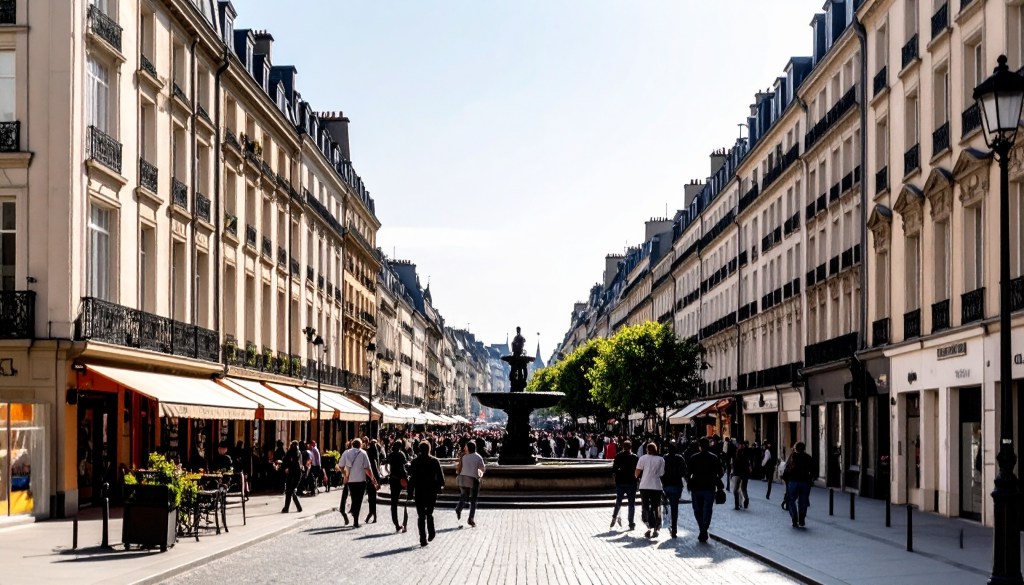
The lesson? Beauty isn’t a luxury—it’s a public good that elevates urban life. Cities like Paris or Florence thrive because their aesthetics inspire. Planners must find ways to quantify and prioritize beauty, ensuring new developments contribute to a city’s soul, not just its skyline.
Lesson 4: Policies must anticipate unintended consequences
Both episodes highlight the pitfalls of well-meaning policies. In Episode 323R, upgrading informal settlements often led to overcrowding, negating infrastructure gains. In Episode 324I, Moorhouse critiques inclusionary zoning in New York City, where mandates for affordable units reduced overall housing supply and created segregated buildings, driving up rents. These examples show that urban policies can backfire if they ignore systemic dynamics.
The takeaway is clear: planners and decision-makers must model outcomes holistically. Policies should be tested for unintended effects, like displacement or market distortions, and involve community input to align with local needs. Tools like AI could help simulate policy impacts, offering data-driven insights to refine urban strategies.
Moving forward: Conscious urban evolution
This week’s episodes (323 and 324) challenge us to embrace conscious urban evolution. From Tanzania’s de novo success, we learn the power of early planning. From Moorhouse, we see cities as evolving ecosystems shaped by labor, technology, and aesthetics. Together, they urge us to design cities proactively, balancing economic, social, and cultural goals. Whether it’s laying infrastructure, adapting to AI, or prioritizing beauty, the future of cities depends on thoughtful, inclusive planning.
Let’s build cities that inspire, connect, and endure.
What’s one lesson from this week that resonates with you?
How can we apply these insights to your city?
Share your thoughts – I’m at wtf4cities@gmail.com or @WTF4Cities on Twitter/X.
 What is The Future for Cities? Podcast
Leave a comment