This week on the What is The Future for Cities? Podcast investigated urban experiments and imagination. Episode 371R offered a debate summarising Federico Caprotti and Robert Cowley‘s 2016 paper Interrogating urban experiments, published in the Urban Geography journal, highlighting the need for critical scrutiny of a popular concept. Then, episode 372I featured an interview with Arman Mirzakhani, an architect, urban designer, and researcher who outlined eight dimensions of future cities and emphasised imagination, context, and human elements. Together, they prompt reflection on how we approach urban change – from cautious analysis to optimistic, participatory visions.
Lesson 1: Urban experiments demand scrutiny beyond the hype
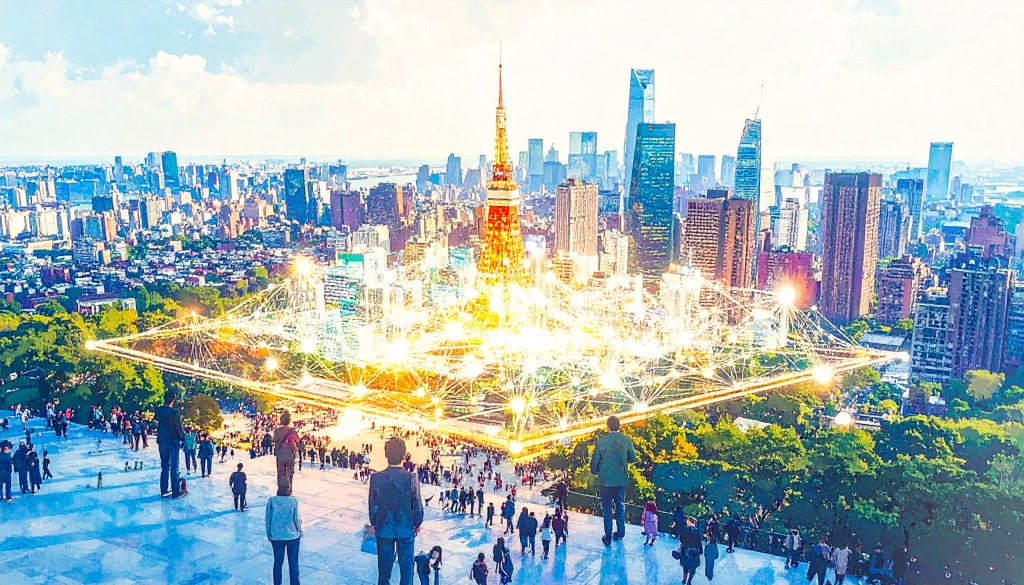
The debate in episode 371R centres on the explosion of terms like “urban experiments” and “living labs” in academic papers, policy documents, and corporate strategies. Mentions more than doubled between 2010 and 2016, signalling a shift to bounded interventions for innovation, like smart grids in Austin or zero-energy buildings in Boston, aimed at scaling socio-technical fixes for goals such as UN SDG 11.
Yet, this language risks an “empty signifier” – vague for progressive or regressive ends – depoliticising governance by framing crises as technical issues, echoing historical dystopias. Dr Mirzakhani reinforces context, warning against templates without local understanding; the lesson is clear: pair enthusiasm with critical awareness of motives and history to avoid repetition.
Lesson 2: Ecological balance and resilience hinge on blending nature with human needs
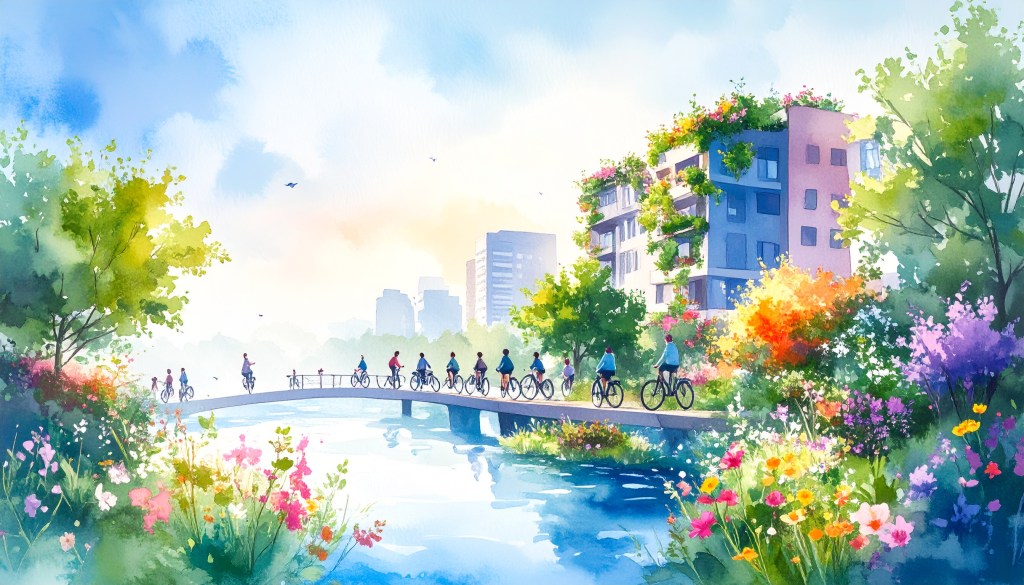
Cities drive and solve ecological crises, consuming resources yet enabling efficiency. Dr Mirzakhani asks “How cities live with the planet,” citing Copenhagen’s cycling shift, Curitiba’s transit-parks for flood and recreation, Singapore’s vertical gardens, and Jakarta’s sea-level warnings.
Resilience faces shocks – Milan’s COVID street changes, Rotterdam’s water plazas, New Orleans’ trust-dependent rebuilds. Dr Mirzakhani fears overshoot, linked to inequality and eroded trust; the debate critiques optimisation ignoring ecosystems. The takeaway: Integrate nature with social governance for adaptive, caring cities.
Lesson 3: Economic vitality requires distributed opportunities, not just growth
Dr Mirzakhani asks “Who benefits?” in economic vitality: Cities spark jobs and culture, but need policies for spread. Shenzhen’s tech rise shows policy power yet labour issues; Bangalore gains competitiveness amid congestion; Detroit highlights grassroots revival.
Unchecked experiments concentrate gains, per the debate’s depoliticisation risks. Dr Mirzakhani ties to belonging – Toronto’s multi-ethnic spots vs Barcelona’s gentrification. The lesson: we cannot forget economic vitality for better urban futures.
Lesson 4: Technology serves humanity when it’s a tool, not the boss
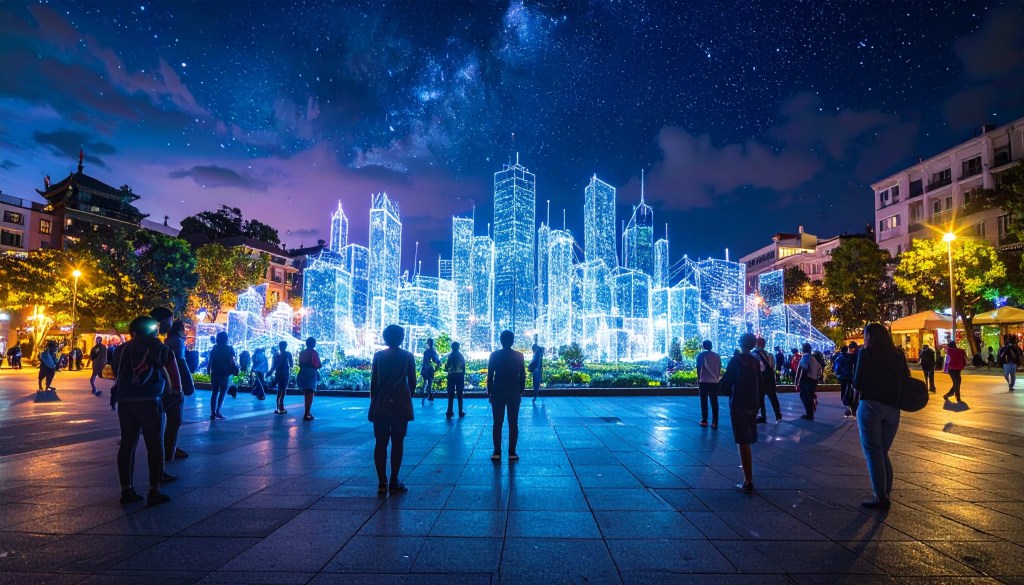
The debate warns socio-technical optimism depoliticises messy realities. Dr Mirzakhani declares: “Tech should be a tool, not the boss,” with sensors and AI raising privacy, control, bias; success is dignity, not device counts.
Songdo feels empty despite cameras; Tallinn empowers via transparent e-residency. Tech without dignity substitutes for trust, causing isolation. Anchor is to empower, not surveil – amplifying potential without erosion.
Lesson 5: Smart cities evolve best when reinforcing existing ones with citizen focus
Dr Mirzakhani classifies smart cities: From scratch (Songdo’s failures despite tech); reinforced (upgrading Barcelona or Singapore); social (citizen-centred integration). Design demands complexity – social, environmental, governance – rejecting organic medieval growth or imposed plans.
The debate notes bounded smart pilots risk silencing if non-participatory. Reinforce over revolution for vibrant, contextual environments; evolve with people at the core.
Lesson +1: The future depends on interconnected choices, imagination, and systems
Dr Mirzakhani concludes: Future is choice-driven – “Depends on choices we make now” across eight dimensions, from philosophical co-living to cultural participation. Grassroots like Mexico City’s budgeting scale imagination; opportunities in labs, infrastructure rethink, public spaces.
Fears interconnect – inequality, overshoot, trust erosion. The debate urges historical, participatory widening; Dr Mirzakhani convenes for co-creation. Act with care and imagination for fair, green futures mirroring us.

These six lessons weave a powerful narrative: Scrutinise experiments to avoid hype and exclusion; fuse ecology with resilience for adaptive cities; distribute economic gains equitably; wield technology for humanity; evolve smart cities through citizen-centred reinforcement; and harness interconnected choices and imagination for transformative futures. The debate’s critical lens tempers Dr Mirzakhani’s visionary dimensions, reminding us that urban progress demands balance – pragmatic caution with bold, human-focused action.
Now it’s your turn: Dive into episodes 371R and 372I today to explore these ideas fully, then share:
What experiment would you like to see in your city?
Next week we are investigating the right to and affordable/social housing, especially in the Viennese context, with Manfred Schrenk!
Share your thoughts – I’m at wtf4cities@gmail.com or @WTF4Cities on Twitter/X.
Subscribe to the What is The Future for Cities? podcast for more insights, and let’s keep exploring what’s next for our cities.
 What is The Future for Cities? Podcast
Leave a comment